Best Time For Whale Watching In Uvita By Month
Two separate humpback populations take turns visiting the bay off Uvita. That makes the calendar the single biggest factor in what your boat trip looks like.
Short answer
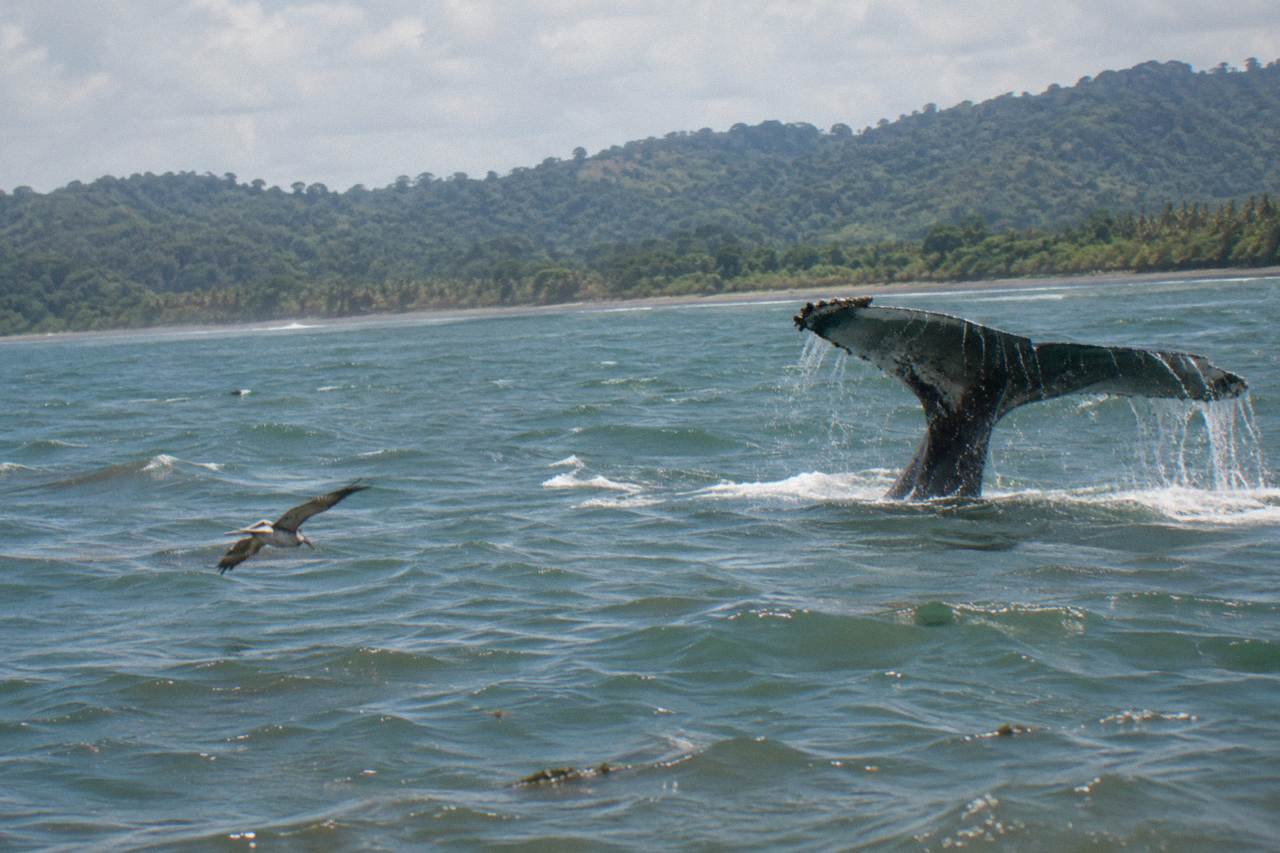
Southern-hemisphere humpbacks swim in Marino Ballena from July to mid-November, with August and September the peak for mother-calf pairs. Northern-hemisphere humpbacks visit December to March or April, peaking January to February. Boat trips run year-round from $75 per person, but the month you pick changes which whales are in the bay.
Uvita's whale calendar is unusual in a way that matters for planning. Two distinct humpback populations, one from the Northern Hemisphere and one from the Southern, migrate to the same stretch of the Costa Rica Pacific in separate seasons, which is why the International Whaling Commission's country profile describes Costa Rica's Pacific waters as hosting two humpback arrivals each year. The IWC notes whale watching in this region originally developed around Dominical, Uvita, Drake Bay, Caño Island and Golfo Dulce, and Uvita is still the practical launching point for Marino Ballena National Park. The most reviewed boat trip listed here, the 3.5-hour Drinks and Snacks Included tour (4.5 from 775 reviews, from $95 per person), and the Morning Whale and Dolphin Tour from Bahía Ballena (4.8 from 210 reviews, from $75 per person, the lowest price listed) are two of the options. What changes month to month is which whales are out there and how rough the ocean is. This guide walks the calendar month by month because picking a month is the last decision you make before picking a departure date. For the wider picture across the country, see our answer to What Is The Best Time Of Year To See Whales In Costa Rica?
What Time Of Year Can You See Whales In Uvita?
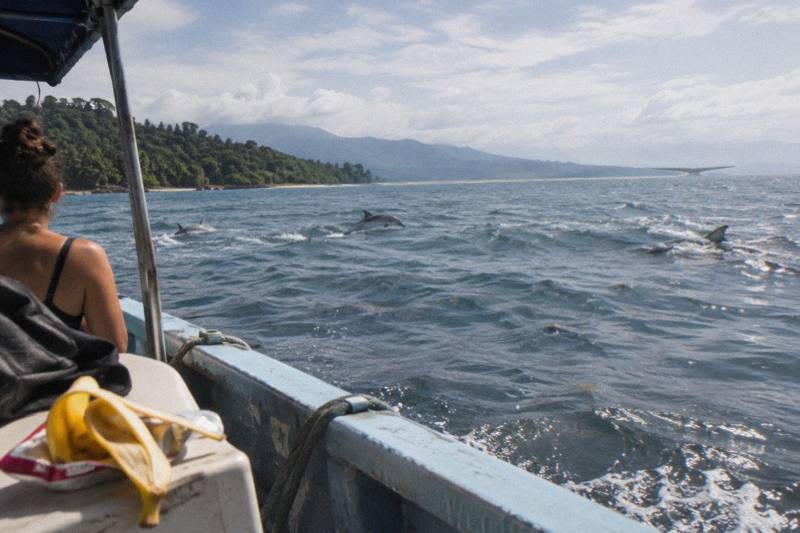
Whales are present off Uvita in most months of the year, but not the same whales and not in the same numbers: southern-hemisphere humpbacks run July to mid-November, peaking August and September for mothers with calves, while northern-hemisphere humpbacks run December to March or April, peaking January and February. May and June are the quiet gap between the two migrations. Dolphins, by contrast, are resident year-round.
The two-season pattern comes straight from the IWC's handbook profile of Costa Rica, which describes northern humpbacks arriving in the Pacific from December to March to mate, give birth and nurse, and southern humpbacks arriving from July to mid-November after what the handbook calls the longest recorded migration, from feeding grounds off the Antarctic Peninsula and southern Chile. Operator pages around Uvita add the mother-calf detail: August and September are the months when southern mothers with young calves are most commonly reported in the bay's protected water.
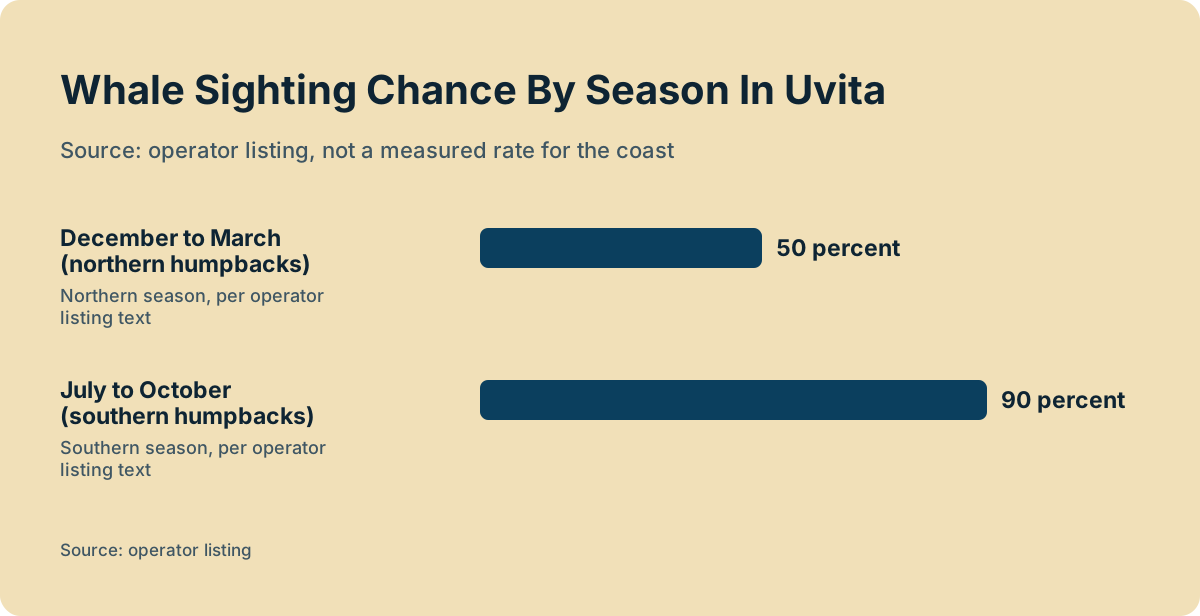
One operator, on the live listing for the featured drinks-and-snacks boat trip, puts numbers on it in its own know-before-you-go text: a 50 percent chance of sightings December to March and 90 percent July to October. That is one operator's own claim on one listing, not a measured rate for the coast, but it reflects the shape of the calendar: the southern season is the stronger of the two.
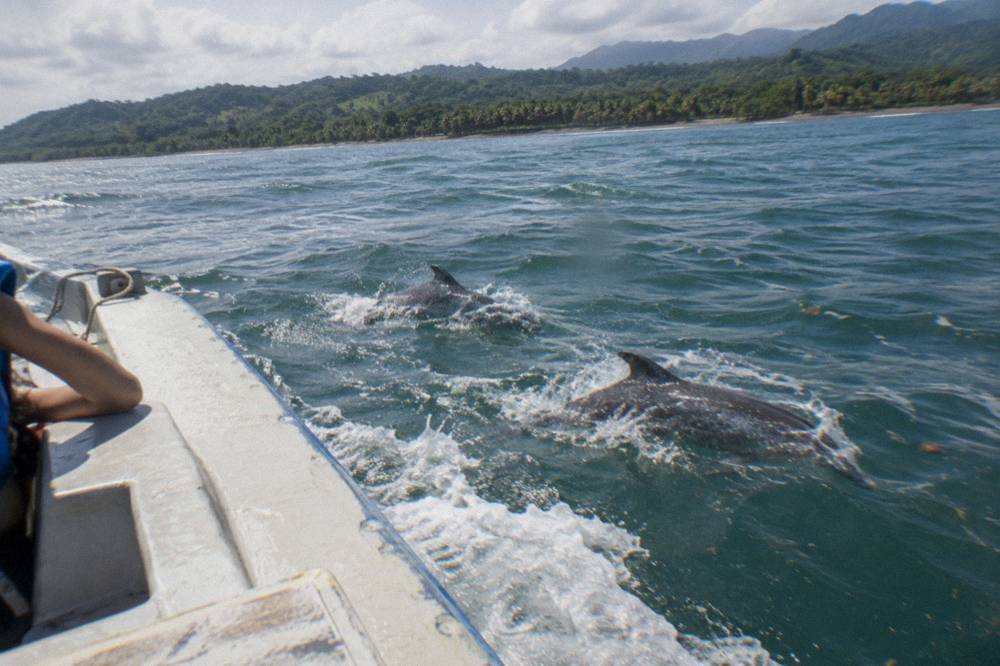
Bottlenose and pan-tropical spotted dolphins are the other constant. The IWC lists both as commonly viewed on Costa Rican tours, and spinner dolphins appear in local wildlife accounts too. Many whale listings also carry dolphin watching in their names. SINAC's own park page names the humpback whale, spotted dolphin and bottlenose dolphin among the park's fauna, alongside manta rays, hammerhead sharks and parrotfish on the reef.
Which Month Should You Choose For Whale Watching In Bahía Ballena?
September is the strongest single month: it sits at the peak of the southern migration for mother-calf pairs, and the annual whale festival runs early in the month. August runs a close second. If your travel dates are set by northern winter instead, January and February are the northern-season peak, with calmer dry-season seas to match.
The months rank differently by whales and by weather. Whale abundance peaks August and September (southern) and January and February (northern). Sea conditions are best in the dry season, which SINAC defines as mid-December to mid-April. A trip in late February gives you northern whales in one of the lowest-rainfall months. A trip in early September gives you the southern peak, inside the rainy season.
| Month | Whale season running | What is reported |
|---|---|---|
| January | Northern humpbacks | Peak month for northern whales per operator pages |
| February | Northern humpbacks | Peak continues; among the lowest-rainfall months on long-term averages |
| March | Northern humpbacks | Late northern season; dry, calm seas |
| April | Northern season tail end | Dry season ends mid-April per SINAC |
| May | Gap between migrations | Rainy season begins mid-April; dolphins resident |
| June | Quiet for humpbacks | Dolphins and turtles; wetter pattern |
| July | Southern humpbacks arrive | Southern season opens, running to mid-November per IWC |
| August | Southern humpbacks | Peak for mother-calf pairs per operator pages |
| September | Southern humpbacks | Strongest month; annual whale festival in early September |
| October | Southern humpbacks | Strong season continues; rainy season |
| November | Southern season closes | Season ends mid-November per IWC |
| December | Northern humpbacks arrive | Dry season opens mid-December per SINAC |
For how the odds play out across a whole season rather than a calendar, our guide to Will You See Whales: Sighting Odds And Best Departure Time breaks down what guests actually report.
If that table has you ready to compare boats, these three cover the main ways to spend a morning on the water from Uvita and Bahía Ballena, from the big most-reviewed trip to a morning departure and a gear-inclusive alternative.
Why Does Costa Rica Have Two Humpback Seasons?
Humpbacks from both hemispheres breed in Costa Rica's Pacific waters because the Northern and Southern Hemisphere winters fall six months apart, and each population migrates to warm tropical water to mate and calve during its own winter. The result is near year-round whale presence around Marino Ballena, with a short gap in May and June. Since these same humpbacks move along the whole southern Pacific coast, our guide to Whale Watching Uvita Vs Manuel Antonio Vs Drake Bay can help you pick the best base for encountering them.
The IWC handbook is the source worth reading on this: it reports as many as 34 species of whales and dolphins in Costa Rican waters and describes the two humpback arrivals in detail. The northern animals feed off the northwest coast of the United States; the southern animals travel from the Antarctic Peninsula and southern Chile, a distance the handbook calls the longest recorded migration. Both populations come for the same reasons, warm, protected water for calving and nursing, and Marino Ballena's shallow bay, a 15 km coastal strip protecting 5,160 marine hectares per SINAC, is exactly that kind of nursery ground.
Female humpbacks give birth and nurse their calves in these waters, which is why mother-calf pairs dominate reports in August and September and why the rules around them are strict. Costa Rica's whale-watching regulation, Decreto Ejecutivo 32495, sets a minimum approach of 100 m for whales longer than 5 m, caps time with any group at 30 minutes, limits observation to at most two boats around the same group, and prohibits swimming near cetaceans entirely. More detail on those rules lives in our guide to Whale Watching Boat Rules And Ethics In Costa Rica.
For travelers who want the biology front and center rather than as a sideline, one listing is built around it: the Humpback and Wildlife Watching trip, from $129 per person, lists a biologist expedition leader, an informative talk about whale watching, and a donation to a humpback whale research project among its inclusions. It carries a 4.2 rating from 10 reviews, and its format is distinct from the standard sightseeing run.
How Does The Rainy Season Affect Boat Trips In Uvita?
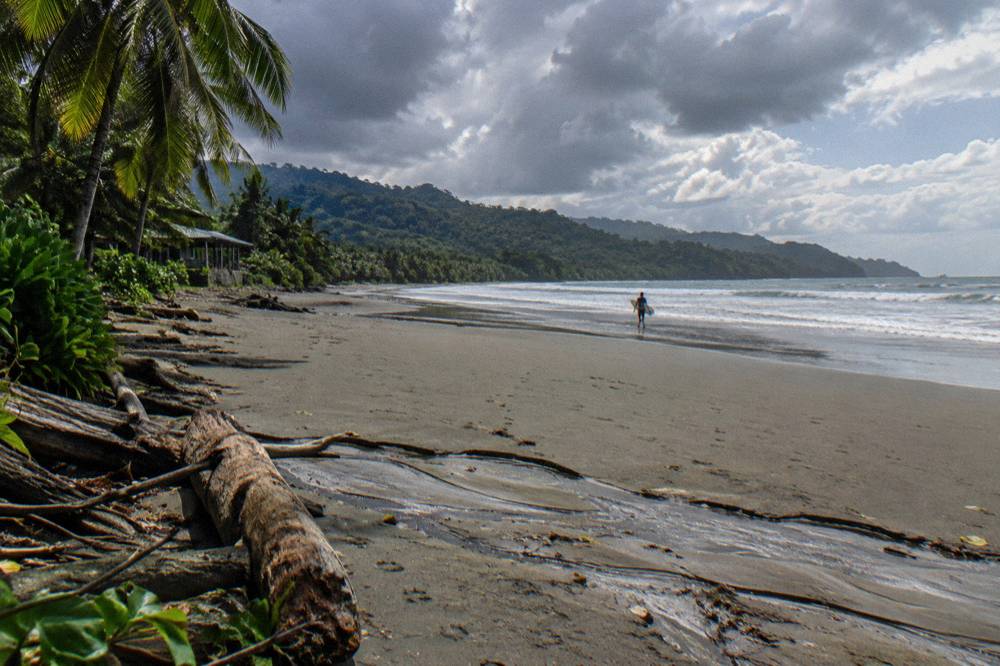
SINAC defines the dry season as mid-December to mid-April and the rainy season as mid-April to mid-December, and the rainy season matters mainly through sea state and afternoon rain rather than through closures: boats run all year, but operators cancel or reroute when swell or weather make the trip unsafe, and whale watching continues straight through the rains because the southern season overlaps them.
Long-term rainfall averages put February and March as the lowest-rainfall months around Uvita, and one dive operator reports Marino Ballena underwater visibility as best from January to April, up to 15 to 50 feet. Water temperature holds in a narrow band, 78 to 84 F year-round per the same operator source, so cold water is never the issue; swell and runoff are.
Boat operators cancel or reroute for weather and sea state on any given day, and every listing here that states a cancellation policy lists free cancellation, which is worth having when the ocean gets a vote. The green season also holds the strongest whale months of the year.
| Season (per SINAC) | Months | Typical conditions | What it means for a boat day |
|---|---|---|---|
| Dry season | Mid-December to mid-April | Lowest rain February and March; best snorkel visibility January to April | Calmer seas, clearer water |
| Rainy season | Mid-April to mid-December | More frequent rain | Peak southern whale months August and September fall here |
Month-by-month rain and sea-state planning is its own topic, with the full breakdown in our guide to Uvita Weather By Month For Boat Days, which pairs the SINAC season windows with what each stretch of the year means for departure times.
When Is Snorkeling Visibility Best In Marino Ballena?
Underwater visibility in Marino Ballena National Park is best from January to April, per one dive operator's reporting, which overlaps the northern humpback season and the SINAC dry season. That makes February a strong all-round month: northern whales, calm seas and the year's clearest water on the reef beside the Whale Tail sandbar.
The reef detail comes from SINAC itself: the left side of the tombolo and Isla Ballena carry coral reef where snorkeling is possible, and the park's named reef fauna includes parrotfish alongside manta rays and hammerhead sharks in the wider marine area. Visibility is the variable, and the operator source is explicit that the January to April window is when it peaks. During the rainy season, May through December, one whale-and-dolphin listing states plainly that snorkeling gear is not included because the water is not clear enough.
This is why the 3-hour whale and snorkel combo listings (from $84.42 per person, 4.3 from 136 reviews on the most reviewed of them) pair whale watching with snorkel gear, and visibility is best in the January to April window. The same logic runs the other way in July to October, when the southern whales dominate and the smart money is on a pure whale-and-dolphin run rather than a combo. The full comparison lives in our guide to Whale Watching And Snorkeling Combo From Uvita.
Caño Island is a separate question. The boat ride from Uvita runs about 50 to 80 minutes according to one local operator, and SINAC permits only the marine part of the island: no landing, no trails, no drinking water on the island, visits 8:00 a.m. to 3:00 p.m. by prior reservation. The Caño snorkel listings here run 6 to 8 hours and from $150 per person. Whether Caño or Marino Ballena suits your day better is laid out in the Caño Island versus Marino Ballena comparison.
What Is The Whale And Dolphin Festival In September?
Bahía Ballena holds a whale and dolphin festival every year in early September, timed to the southern-season peak: the 16th edition ran September 4 to 6, 2026, and the 15th ran September 5 to 7, 2025, with discounted local tour prices, concerts, conservation programming and community events. Before committing to the busiest weekend of the year, read our answer to Is Whale Watching In Costa Rica Worth It? on whether a Uvita tour earns its price.
Local reporting on the 2026 edition describes whale- and dolphin-watching tours at special prices for Costa Rican nationals, concerts, free surf classes, a running race, an artisan fair and a large sculpture built from recycled material, with support from the national tourism institute. The IWC's handbook profile mentions the festival independently, noting that tour prices are reduced and that boat owners who do not normally run commercial tours join in during the festival, which is worth knowing: festival weekend brings more boats onto the water.
The festival tour discounts reported are for nationals. A mid-August guest review of the Marino Ballena Watching Whales and Dolphins tour (4.6 from 107 reviews, from $92 per person, 3 to 4 hours, up to 20 guests) describes a southern-season trip: "Keller was a superb guide and captain Jordan and his crew were great! We observed a mother and baby humpback whale for at least 20 minutes. In addition we saw some sea turtles and had the chance to swim in the sea. It was overall a great trip!" That listing includes a coffee station before departure, a visit to Whale's Rock or Ventanas Cave, and swimming time, with snorkeling only in the dry season.
Which Uvita Boat Trip Fits Which Month?
Match the trip to the season: in August and September choose a dedicated whale-and-dolphin run, in February and March a whale and snorkel combo, and in the shoulder months a morning dolphin-focused tour. Prices across the whale-watching trips run from $75 to $129 per person shared, with private options from $95 per person up to $1,120 per group.
The featured drinks-and-snacks trip (4.5 from 775 reviews, from $95 per person, 3.5 hours, up to 80 guests) includes the Marino Ballena entry fee, juice, coffee, pastries, bananas and tropical fruit, and lists free cancellation; it does not include hotel pickup, snorkel gear or alcohol, and guests meet at the departure point. The Morning Whale and Dolphin Tour (4.8 from 210 reviews, from $75 per person, 2.5 to 3 hours) is the lowest-priced listing on the site and carries a guest quote that captures the choice boats offer in season: "We were given the choice of finding more whales or snorkeling at the Whale’s Tail. The boat voted for snorkeling."
| Trip type | Example tour | Price | Best months |
|---|---|---|---|
| Large shared whale run with refreshments | Drinks and Snacks Included (4.5, 775 reviews) | From $95 per person | July to October, December to March |
| Morning departure, lowest price | Morning Whale and Dolphin Tour (4.8, 210 reviews) | From $75 per person | Any month; dolphins are year-round |
| Whale and snorkel combo | 3-Hour Whale Combo (4.3, 136 reviews) | From $84.42 per person | January to April for visibility |
| Wildlife and research focus | Humpback and Wildlife Watching | From $129 per person | August and September |
| Private cruise with lunch | Private Marino Ballena Boat Cruise | From $1,120 per group | Any month; calmest seas January to April |
| Caño Island full day | Check-In Pastries, Picnic Lunch (4.7, 135 reviews) | From $160 per person | Dry season for best water clarity |
If you're torn between a shared departure and having the whole boat to yourselves, our guide to Private Vs Group Whale Watching Boat: Which To Book breaks down the cost, flexibility, and comfort tradeoffs so you can pick the right format for your trip.
The private cruise (from $1,120 per group, 3.5 hours, no rating yet) includes lunch, tropical drinks, beer and wine, snorkeling and the park entrance fee, and gives one group the boat. A second private option, the Private Whales and Dolphins Charter, is listed from $95 per person with the price varying by group size, confirm on the booking page. The charter shows a 3.8 rating from 4 reviews and the cruise has no rating yet, so judge them on inclusions. The full field of 15 whale-and-dolphin listings is compared side by side in our guide to Whale Watching Tours From Uvita Compared: Group, Private And Combo.
What If You Visit Uvita In May Or June?
May and June are the gap months for humpbacks, but they are not dead water: bottlenose, spotted and spinner dolphins are resident, and sea turtles nest mainly May to November. The honest pitch is fewer whales, greener landscape, and a trip that becomes a dolphin tour with turtle odds rather than a whale guarantee.
The IWC lists common bottlenose and pan-tropical spotted dolphins as commonly viewed on Costa Rican tours without any season attached, and local wildlife sources describe all three dolphin species as year-round residents, with olive ridley and hawksbill turtles nesting primarily May to November. The honest framing for a June booking is that the dolphins will very likely show, the whales probably will not, and the coastline is at its greenest.
Two practical notes make these months easier. First, every listing that states a cancellation policy lists free cancellation, so a booked date is low-risk if the swell turns. Second, the park itself is at its quietest, and whale watching in Uvita is only part of why the bay is worth visiting in every month: the Whale Tail sandbar is tide-dependent rather than season-dependent, walkable only at low tide per SINAC, and it is the same sandbar in June as in September.
Traveling with children is covered in our guide to Whale Watching With Kids In Uvita: Ages, Safety And Timing. The Pacific Expeditions Whale Watch (4.8 from 183 reviews, from $80 per person, 3 hours) is one mid-priced option that includes tropical fruit, the park entrance fee and a swimming stop according to conditions.
How Far Ahead Should You Book A Peak-Season Trip?
Book August, September, January and February departures early, because those are the peak whale months and the most reviewed boats have fixed capacity: the featured trip caps at 80 guests and two popular listings cap at 20.
Capacity numbers come from the listings themselves. The drinks-and-snacks boat takes up to 80 guests, while the Marino Ballena Tours Whale Watch (4.5 from 110 reviews, from $105 per person) and the Watching Whales and Dolphins trip each cap at 20 guests, a very different feel on the water. Festival weekend in early September is its own case: the IWC notes reduced tour prices and extra boats. None of this requires panic booking: free cancellation is listed across the lineup, so holding a date early and adjusting later costs nothing on the listings that state the policy. Once your boat date is held, our guide to Uvita Waterfall And Whale Watching In One Day lays out how to add a jungle swim before the boat leaves Bahía Ballena.
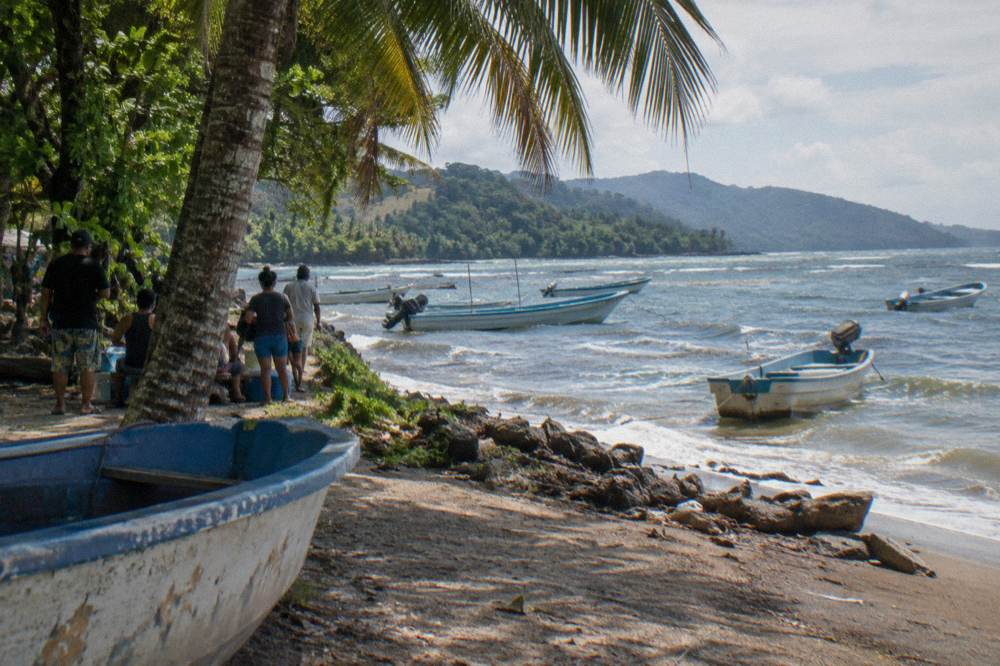
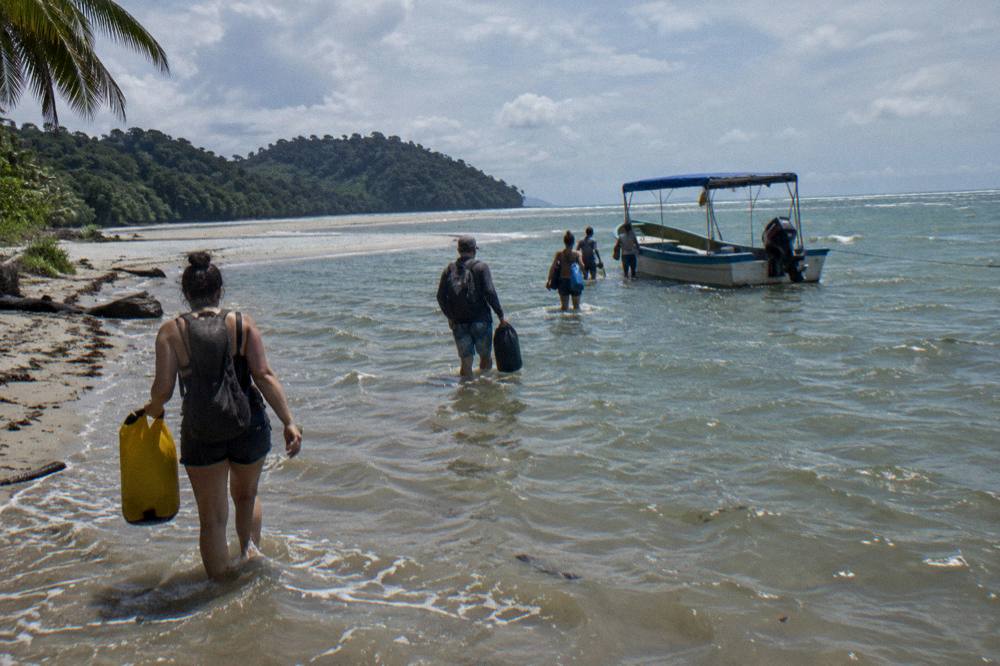
Meeting logistics matter as much as timing. Several Uvita boats launch straight off the beach with no dock, and guests wade to the boat, a detail stated on one listing's own exclusions. Departure times are confirmed at booking; one listing asks guests to be at its office by 8:30 a.m. Getting to Uvita in the first place, roughly 222 km and about 3.5 hours from San Jose by Route 34 by one route estimate, is covered in our guide to San Jose To Uvita: Getting There For A Whale Trip.
Common Questions About Whale Watching Timing In Uvita
What Is The Best Month To See Whales In Uvita?
September, on the strength of the southern-hemisphere season: operator pages report August and September as the peak for mother-calf pairs, the IWC places the southern season July to mid-November, and the town's whale festival lands in early September. January and February are the best northern-season months.
Can You See Whales In Uvita Year-Round?
Almost. Two humpback populations cover July to mid-November and December to March or April, leaving roughly May and June as the quiet gap. Dolphins are resident in every month, so boats run year-round and dolphin sightings carry the shoulder season.
Does It Rain On Whale Tours In The Rainy Season?
Often, but it rarely stops the trip. SINAC's rainy season runs mid-April to mid-December, overlapping the strongest whale months. Boats operate through it; operators cancel or reroute only when swell or weather make the trip unsafe, and free cancellation is listed across the lineup.
When Is The Whale Festival In Bahía Ballena?
Every year in early September. The 16th edition ran September 4 to 6, 2026 and the 15th ran September 5 to 7, 2025, with tours at special prices for nationals, concerts and community events.
Are Whale Sightings Guaranteed In Peak Season?
No, and no honest operator claims otherwise. One listing's own know-before-you-go text states a 90 percent sighting chance July to October and 50 percent December to March, but that is a single operator's figure, not a guarantee. Dolphins are the more reliable year-round sighting.