Uvita Weather By Month For Boat Days
Weather decides boat days on this coast. Here is how rain and the two whale seasons line up month by month around Uvita and Marino Ballena.
Short answer
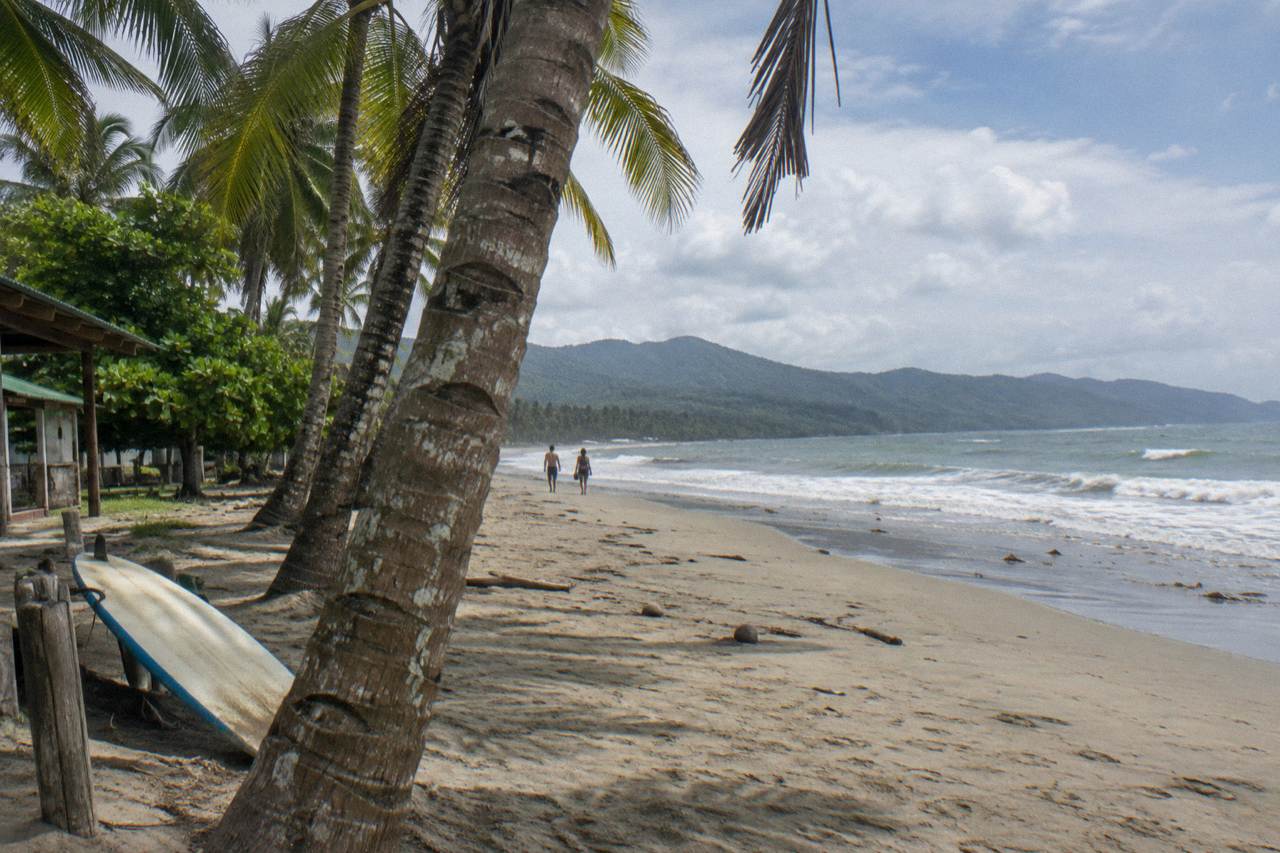
Uvita has a dry season from mid-December to mid-April and a rainy season from mid-April to mid-December, per SINAC. Drier boat days fall in that dry season, while the rainy months of August and September bring the southern humpback peak. Water runs 78 to 84 F year-round.
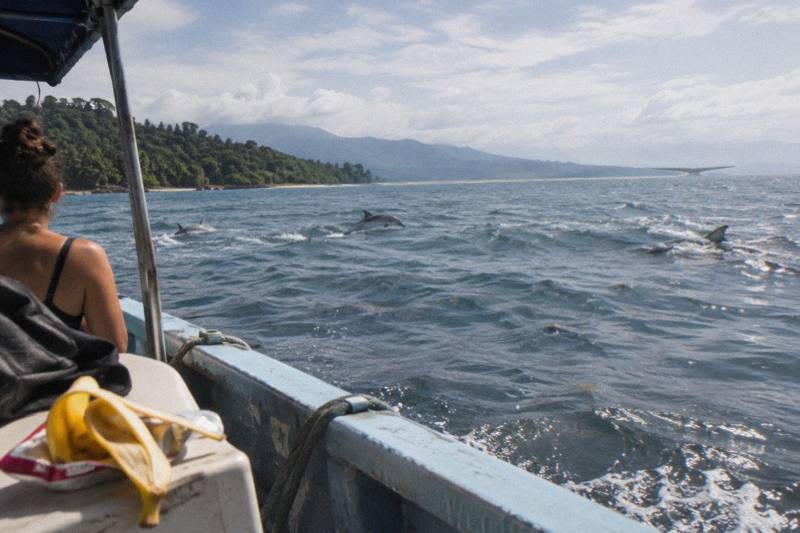
Weather is the single variable that most often reshapes a boat day on this stretch of the Pacific coast. Rain, swell and wind decide whether the boat leaves the beach, whether the snorkel stop happens, and how comfortable three hours on open water feels. This guide reads Uvita's calendar the way a boat operator reads it: by season windows, by sea state, and by how each month overlaps the two humpback migrations that pass through Marino Ballena National Park. Dolphins ride many of these same waters year-round, so if a pod sighting sits high on your list, our guide to Dolphin Watching From Uvita: Spotted And Bottlenose Pods explains which tours find them most often.
The short version: the dry season from mid-December to mid-April, as SINAC's park page defines it, is the calmer-water window, and the rainy months of August and September are the southern humpback peak. The best month depends on whether you are optimizing for flat seas or for whales, and the two answers are not the same month. The most reviewed trip listed here, the Drinks and Snacks Included boat tour, carries 4.5 from 775 reviews from $95 per person, and the weather mostly changes what the ride feels like, not whether the trip exists.
What Is The Weather Like In Uvita Throughout The Year?
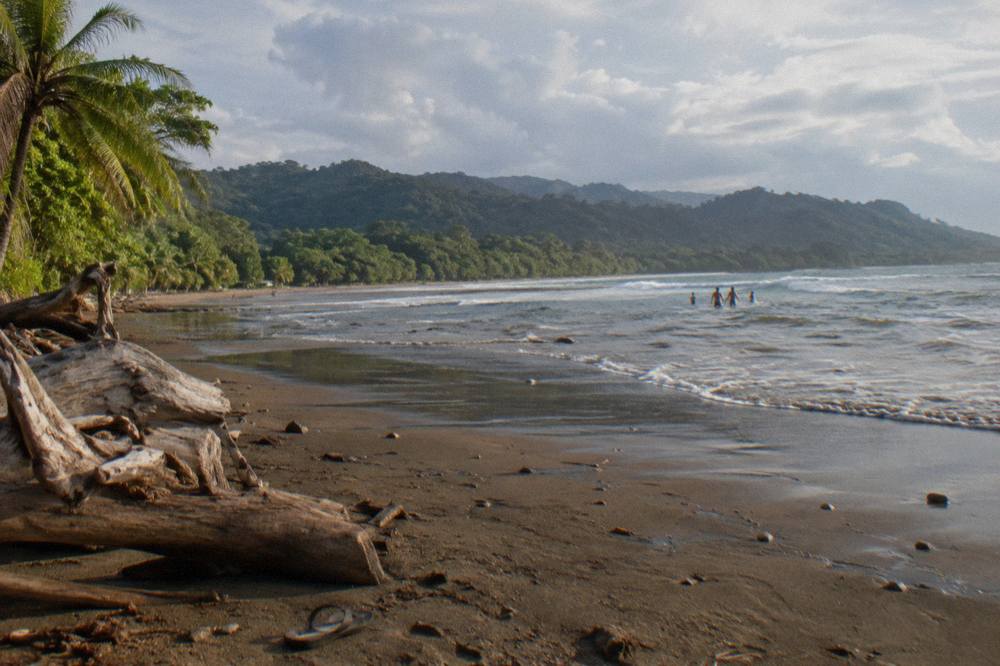
Uvita splits into two seasons rather than four: SINAC defines the dry season as mid-December to mid-April with sporadic rains, and the rainy season as mid-April to mid-December. Long-term averages put February and March as the lowest-rainfall months. Neither season shuts down boat tours.
The dry season is the window people picture when they imagine Costa Rica: lighter rain, more sun, and generally calmer seas along the Costa Ballena. An operator source, Costa Rica Divers, reports that Marino Ballena snorkeling visibility is best from January to April, which lines up neatly with SINAC's dry-season boundary. The rainy season is not a washout, and whale boats run through it.
Temperatures barely move across the year. This is a tropical coastal climate, so the real month-to-month variables are rainfall volume, swell, and wind, not warmth. Water temperature is likewise steady: Costa Rica Divers records 78 to 84 F year-round for Uvita and Marino Ballena waters, which is why a shorty wetsuit or rash guard covers most snorkelers in any season.
Here is the year laid out the way a boat-day planner needs it, by season and whale overlap.
| Months | Season per SINAC | Rain character | Whale overlap |
|---|---|---|---|
| January | Dry | Lowest-rain window begins | Northern humpbacks, peak Jan to Feb per operator pages |
| February | Dry | Among the driest months | Northern humpback peak continues |
| March | Dry | Among the driest months | Northern humpbacks tapering |
| April | Dry to rainy transition mid-month | Rains return | Northern season ends around March or April |
| May | Rainy | Rainy season | Lull between humpback populations |
| June | Rainy | Rainy season | Lull continues; dolphins year-round |
| July | Rainy | Wet season established | Southern humpbacks arrive, July to mid-November |
| August | Rainy | Wet | Southern mother-calf peak builds |
| September | Rainy | Rainy season | Southern peak; festival held early September |
| October | Rainy | Wet | Southern season continues |
| November | Rainy, easing late | Transition | Southern season ends mid-November |
| December | Rainy to dry transition mid-month | Drying out | Northern humpbacks return |
Which Months Have The Best Sea Conditions For Boat Trips In Uvita?
January through April is the calmer-sea window, combining SINAC's dry season with the best-reported snorkel visibility and the lowest long-term rainfall in February and March. If the priority is a smooth ride, a swim stop and clear water rather than peak whale odds, book inside those months. Sea state still varies day to day, and operators cancel or reroute for conditions in any month.
Every shared whale boat listed here is a 2.5 to 4 hour trip, so sea state matters more here than on a full-day cruise: three hours of chop is a different experience from three hours of glass. The dry months also happen to be when the snorkel gear gets used. The listing for the Marino Ballena Tours whale watch, 4.5 from 110 reviews, lists snorkeling among its exclusions, while the whale and snorkel combos, such as the Combo Tour Marino Ballena National Park at 4.3 from 136 reviews, from $84.42 per person, include gear use and a stop, and that stop is far more pleasant in the January-to-April visibility window one operator reports.
For readers weighing the two big day-trip formats, the comparison matters weather-wise: Marino Ballena trips stay close to shore, while Caño Island runs are a 50 to 80 minute open-water crossing per Costa Rica Divers. The Wonders of Caño Island Snorkeling Tour, 4.9 from 92 reviews, from $150 per person, is an 8-hour day with lunch included, and it is the kind of product you want booked into a dry-season month if anyone in your party is prone to seasickness. The deeper trade-offs are laid out in our guide to Caño Island Vs Marino Ballena: Which Boat Day To Pick.
If the calendar is flexible, February stands out as the overlap month: among the driest of the year, inside the visibility window, and inside the northern humpback peak of January to February that operator pages report. It is the month where the weather answer and the whale answer agree with each other.
When Is Dry Season In Marino Ballena National Park?
Dry season runs from mid-December to mid-April, per SINAC's official page for Marino Ballena National Park, with only sporadic rains. The park's four entrance sectors, Uvita, Colonia, Ballena and Pinuela, are open every day of the year in that window, from 8:00 am at the latest, so a dry-season visit pairs a boat trip with a shore day at the Whale Tail sandbar.
The reason a weather guide cares about park sectors is that most boat trips include or intersect the national park. Fourteen of the eighteen shared whale and combo tours list Marino Ballena entry as included in the price, and land-sector entry is USD 6.78 for non-resident adults, card payment only, per SINAC. If you want to walk the famous Whale Tail formation on the same day as your boat trip, the park page is explicit that access to the tombolo happens only at low tide, roughly within the six hours of low tide, so the tide table matters as much as the rain forecast. Details are in our guide to Marino Ballena National Park Entrance Fee And Tours.
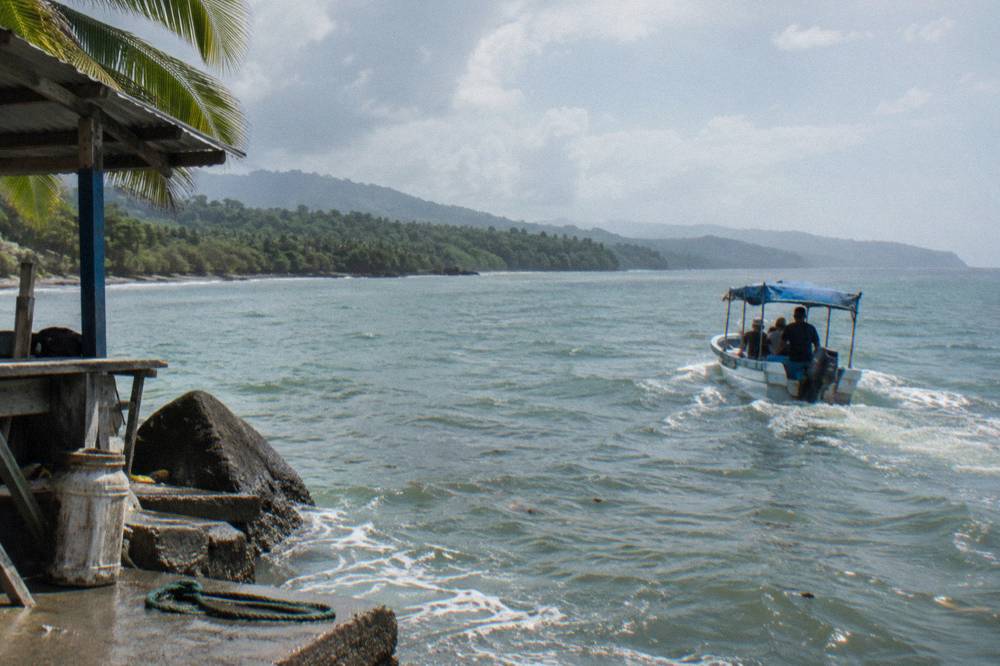
Dry season is also when the beach launch is at its most manageable. Several Uvita boats have no dock: the Pacific Expeditions whale watch listing states boarding happens directly from the beach, which means guests wade to the boat. That is a minor detail in February and a wetter one in a September downpour.
A practical booking note for dry-season planners: the featured Drinks and Snacks Included trip carries up to 80 guests and lists free cancellation, and free cancellation appears on nearly every listing, so booking ahead of the weather forecast, then rechecking conditions closer to the date, is the normal pattern rather than a gamble.
How Does Rainy Season Affect Whale Watching In Bahía Ballena?
Rainy season, mid-April to mid-December per SINAC, is not a cancellation of whale watching; it is the container for the year's strongest whale months. Southern-hemisphere humpbacks visit from July to mid-November with an August-to-September peak in mother-calf pairs, per operator pages and the IWC handbook, so the wettest stretch of the Uvita calendar is also the best stretch for whales.
This is the central trade-off of planning a boat day around Uvita, and it is worth stating plainly: the weather optimum and the whale optimum point at different months. The IWC's Costa Rica profile describes the southern population as making the longest recorded migration, from Antarctic feeding grounds to breed in Costa Rican Pacific waters from July to mid-November. Local reporting on the Whale and Dolphin Festival, held each early September in Bahía Ballena, is timed to exactly this peak, with the 16th edition running 4 to 6 September 2026 and offering tours, concerts and a community race weekend.
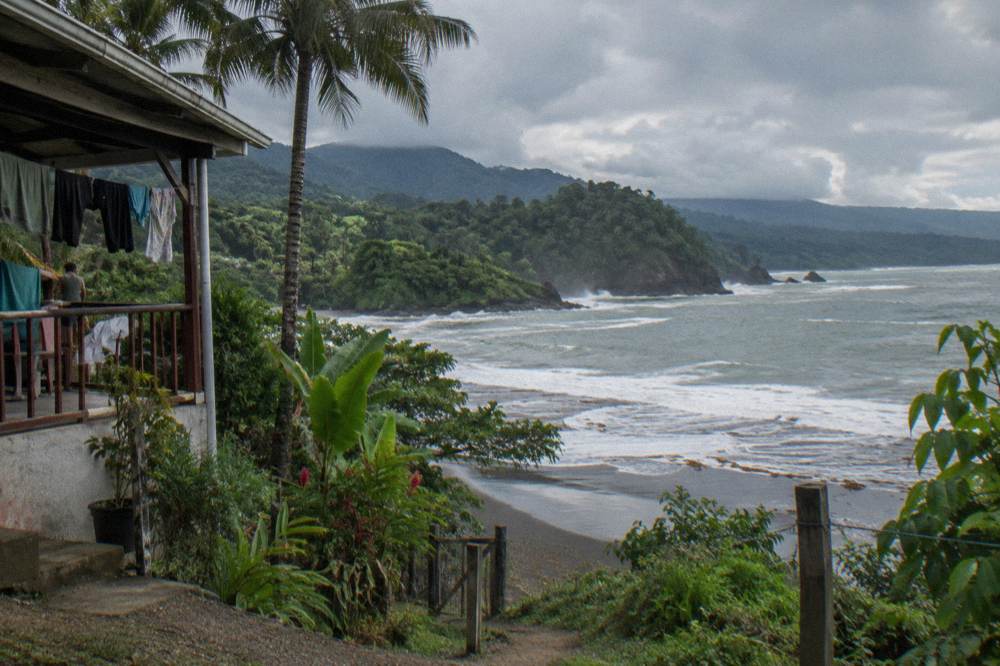
Rosemarie, reviewing the Watching Whales and Dolphins trip (4.6 from 107 reviews) in mid-August, wrote: "Keller was a superb guide and captain Jordan and his crew were great! We observed a mother and baby humpback whale for at least 20 minutes. In addition we saw some sea turtles and had the chance to swim in the sea. It was overall a great trip!" That is a rainy-season product working exactly as designed.
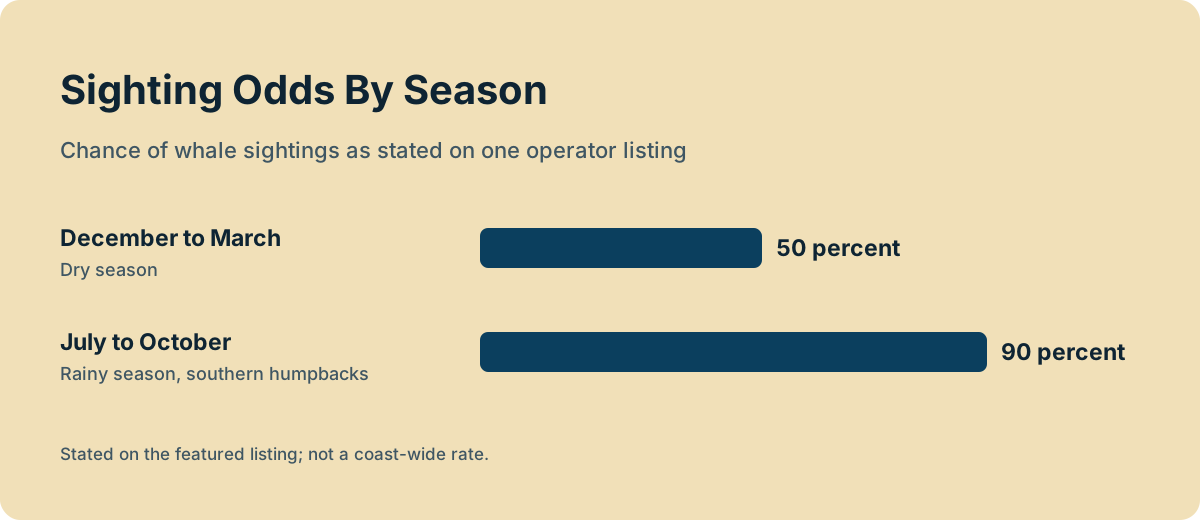
The honest framing on odds belongs to one operator's own statement on the featured listing, which says the season from December to March carries a 50 percent chance of sightings and the season from July to October 90 percent. That is that operator's claim about its own trips, not a coast-wide rate. Take it as one operator's view of the two seasons. The fuller picture of month-by-month whale odds is in our guide to Best Time For Whale Watching In Uvita By Month.
Does Rain Cancel Whale Watching Tours In Uvita?
Sea state, more than rain, is what puts a trip at risk. Operators cancel or reroute for unsafe conditions, and nearly every listing here carries free cancellation so a weather-driven change does not cost the booking. No operator guarantees a departure or a sighting in any month, and several boats launch straight from the beach in every season.
A Marino Ballena whale tour works close to shore, while Caño involves 50 to 80 minutes of open-ocean travel each way. That difference is why our guide to Caño Island Snorkeling From Uvita: Trip Options And Conditions consistently advises booking those full days into the calmer months when the schedule allows.
Guests report the flexibility working in practice. Julie_B, reviewing the Morning Whale and Dolphin Tour, 4.8 from 210 reviews, from $75 per person, described a trip where the boat itself voted on the plan: "This was an excellent small tour. We saw whales and dolphins. We were given the choice of finding more whales or snorkeling at the Whale’s Tail. The boat voted for snorkeling. Raymond was a fun guide." The crew adapted the plan within the tour.
Two practical rules follow. First, book a morning departure; two listings set an 8:30 AM start. Second, keep one flex day in your stay if the whale trip is the reason you came, so a sea-state cancellation can be rebooked rather than lost. The lowest-priced listing here is that Morning Whale and Dolphin Tour at from $75 per person, and it lists free cancellation, which makes it a reasonable anchor booking to hold while watching the forecast.
| Weather risk | What it usually means | Which product it hits hardest |
|---|---|---|
| Afternoon showers | Nothing; most tours sail mornings | None significantly |
| Heavy swell | Reroute, shorter route or reschedule | Beach-launch whale boats, all listings |
| Strong wind on open water | Cancellation most likely | Caño Island full days, 6 to 8 hours |
| Poor visibility | Snorkel stop cut, whales still watched | Combo tours and Caño snorkel trips |
| Storm system | Cancellation with free cancellation honored | Everything; rebook on a flex day |
What Is The Water Temperature Around Uvita For Snorkeling?
Water around Uvita and Marino Ballena runs 78 to 84 F year-round, per one operator's published reading, so there is no cold season that demands a thick wetsuit. The variable that actually changes the snorkeling is visibility, which the same operator reports as best from January to April, inside the dry season.
A swimsuit or a rash guard is usually enough in any month. The Caño Island days, from $150 per person, and two of the three 3-hour whale and snorkel combos, from $84.42 per person, supply gear, and none of the listings mentions wetsuit rental as a necessity.
Visibility is where the months differ. Inside the rainy season the underwater view in the bay drops, which is why several Marino Ballena listings either exclude snorkeling outright or note that it happens only when conditions allow. The Humpback and Wildlife Focus trip, from $129 per person, lists snorkeling "when weather allows it" in its own inclusions, an honest statement of how the wet months treat the water clarity. For a dedicated snorkel-first plan, the month math is simple: January to April.
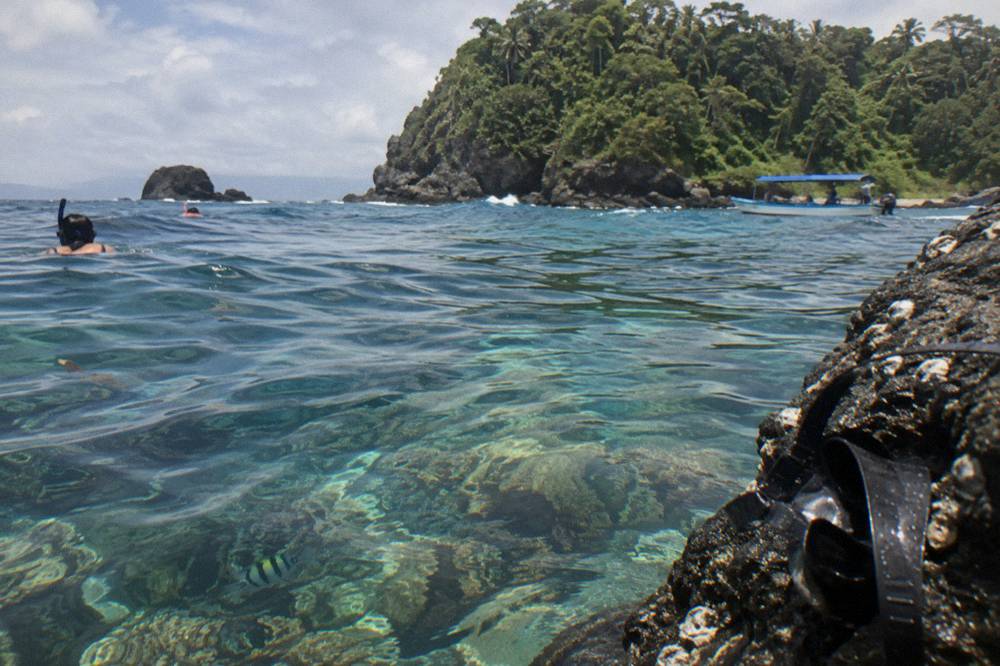
Caño Island deserves its own note here. Its reefs sit well offshore, the reserve is open 8:00 am to 3:00 pm per SINAC, and SINAC's page states only the marine part is used, with no landing. The reserve fee for foreign adults is USD 16.95, and several Caño listings here fold entry and lunch into prices from $150 to $185 per person. One of them, Uvita: Snorkeling at Caño Island, 4.7 from 135 reviews, from $160 per person, includes pastries, coffee and bananas, lunch and all fees, a genuinely full-day package for the calm-season months it suits best.
Which Month Should You Book Your Boat Day In Uvita?
For calm seas and clear water, book February or March, the driest months on long-term averages and inside the January-to-April visibility window. For the highest whale activity, book August or September, the southern-humpback mother-calf peak, accepting rain risk. May, June and November are the shoulder compromise months: dolphins stay all year, and the first half of November still falls in the southern humpback window.
The decision really does split by what you came for, and the lineup reflects that split with products fitted to each window. For a dry-month trip pairing a smooth sail with a snorkel stop, the combos and the Caño days fit. For a rainy-month whale-focused trip, the shorter in-bay whale watches are the resilient choice, and the research-flavored Humpback Whales Wildlife Watching trip, from $129 per person, which includes a donation to a humpback research project and a biologist expedition leader, leans into exactly the season it is built around.
| If your priority is | Best months | Fitting tour | Price |
|---|---|---|---|
| Calmest seas | Feb to Mar | Drinks and Snacks Included boat trip, 4.5 from 775 reviews | from $95 per person |
| Clearest snorkeling | Jan to Apr | The Wonders of Caño Island, 4.9 from 92 reviews | from $150 per person |
| Peak whales | Aug to Sep | Marino Ballena Tours whale watch, 4.5 from 110 reviews | from $105 per person |
| Mother-calf pairs | Aug to Sep | Watching Whales and Dolphins, 4.6 from 107 reviews | from $92 per person |
| Cheapest entry | Any month | Morning Whale and Dolphin Tour, 4.8 from 210 reviews | from $75 per person |
| Shoulder months | May, Jun, Nov | Whale Watching Tour, free cancellation listed | from $80 per person |
One scheduling wrinkle worth knowing: the early-September festival week is both the whale peak and a local event weekend, with concerts, an artisan fair and special-priced tours for nationals, and the IWC notes extra boats join the fleet. If you are coming for the atmosphere, book early.
The featured listing itself, the most reviewed boat trip listed here, is a reasonable default for any of these months since it runs with drinks, snacks and park entry included and lists free cancellation; readers comparing it against the smaller-boat options can start from our guide to Whale Watching Tours From Uvita Compared: Group, Private And Combo. The lineup is on Uvita Whale Watching.
How Should You Read A Uvita Forecast Before Booking?
Read three things in order: the swell and wind forecast, the tide table, and the rain radar, because on this coast sea state cancels trips, tide gates the Whale Tail walk, and rain mostly just dampens the afternoon. Book morning departures, keep a flex day, and rely on the free cancellation nearly every listing carries rather than trying to time a booking to a forecast weeks out.
Forecasts more than a few days out are close to useless for a boat decision, which is why free cancellation matters so much here. The pattern that works: book the month that matches your priority, watch the marine forecast in the final 48 hours, and if the operator scrubs the day, rebook onto the next morning. The IWC's Costa Rica whale watching profile notes the industry here grew up around exactly these coastal communities, Uvita and Dominical among them.
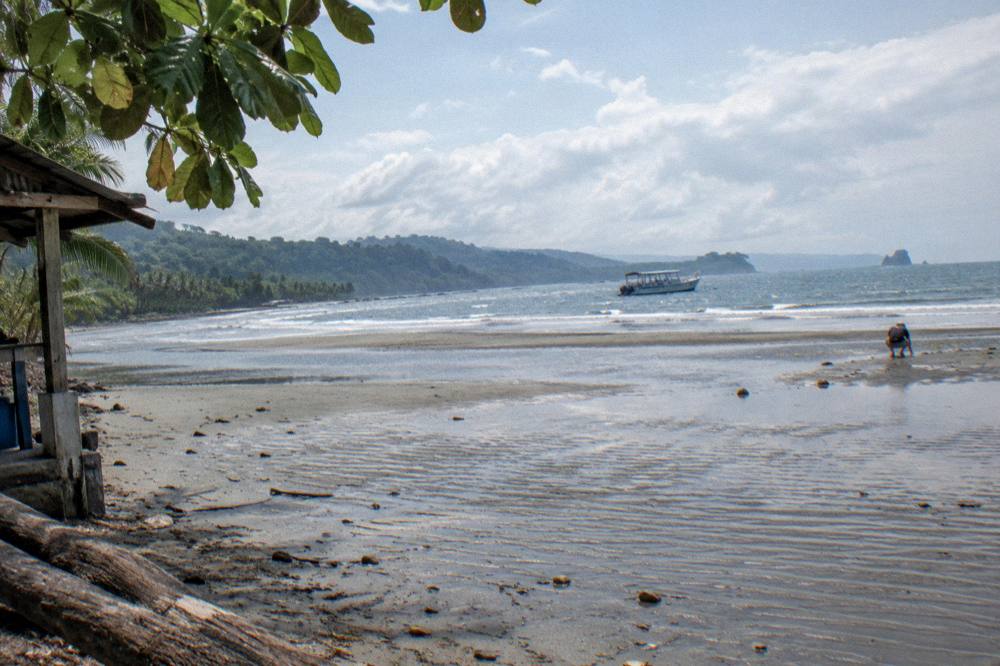
Packing follows the season more than the forecast. Dry months want sun protection and more water; wet months want a light rain shell for the ride home and dry bags for electronics, subjects covered in detail in what to wear and bring for whale watching in Uvita. Neither list is long, and nothing on either one is season-critical enough to change which month you choose.
Whichever month you land on, the honest summary is that Uvita does not have a bad boat month, only different ones. Dry months trade whale odds for comfort and clarity; wet months trade comfort for the strongest whale activity of the year; and the shoulder months quietly offer both a little. Pick the trade you can live with and hold a flex day.
Common Questions About Uvita Weather For Boat Days
What Is The Weather Like In Uvita Throughout The Year?
Uvita has a dry season from mid-December to mid-April with sporadic rains, and a rainy season from mid-April to mid-December, per SINAC. February and March are the driest months on long-term averages, and water temperature holds between 78 and 84 F all year.
Which Months Have The Best Sea Conditions For Boat Trips In Uvita?
January through April combines the dry season, the best-reported snorkel visibility and the lowest rainfall. February stands out as the overlap month with the northern humpback peak of January to February.
Does Rainy Season Cancel Whale Watching In Bahía Ballena?
No. Boats run through the rainy season, and operators reroute or reschedule for unsafe sea conditions. The rainy months of August and September are the southern-humpback mother-calf peak, and nearly every listing carries free cancellation.
Is September A Good Month For A Boat Day In Uvita?
For whales, yes: September sits inside the August-to-September southern-humpback peak, and the Whale and Dolphin Festival is held in Bahía Ballena each early September. For weather, it falls in the rainy season, so expect the possibility of rain and book a morning departure with a flex day.
What Is The Water Temperature For Snorkeling Around Uvita?
Water runs 78 to 84 F year-round per one operator's published reading, so no thick wetsuit is needed in any month. Visibility, not warmth, is the seasonal variable, and it is reported best from January to April.
Can Tours Cancel For Weather, And Do I Lose My Money?
Operators cancel or reroute for sea state and safety in any month, and nearly every listing here lists free cancellation, so a weather cancellation does not cost the booking. Rebook onto the next available morning rather than abandoning the trip.