Is Whale Watching In Costa Rica Worth It?
An honest look at whether a whale watching tour from Uvita and Bahía Ballena is worth the money, with season windows, prices from the live listings, and the rules that keep sightings ethical.
Costa Rica's southern Pacific coast hosts two separate humpback populations, one from each hemisphere, which visit the same stretch of water in different halves of the year. The International Whaling Commission's country profile notes that whales arrive between July and mid-November from the Antarctic and southern Chile, and again from December to March from the North Pacific. That means two whale windows in one year, not one. Whether the tour itself justifies the price depends on timing, expectations and which boat you pick, and those are exactly the things this article lays out.
For most travelers visiting between August and September, or January and February, a whale watching tour from Uvita is worth the money: the two-hemisphere pattern gives Costa Rica two whale windows a year, shared boat trips start at from $75 per person, and the most reviewed Uvita listing carries a 4.5 rating from 775 reviews. Outside those peaks the honest answer gets more conditional, and this article explains exactly why. If you're also deciding where to base yourself, our answer to Is The Osa Peninsula Worth It? compares it against staying in Uvita near Marino Ballena.
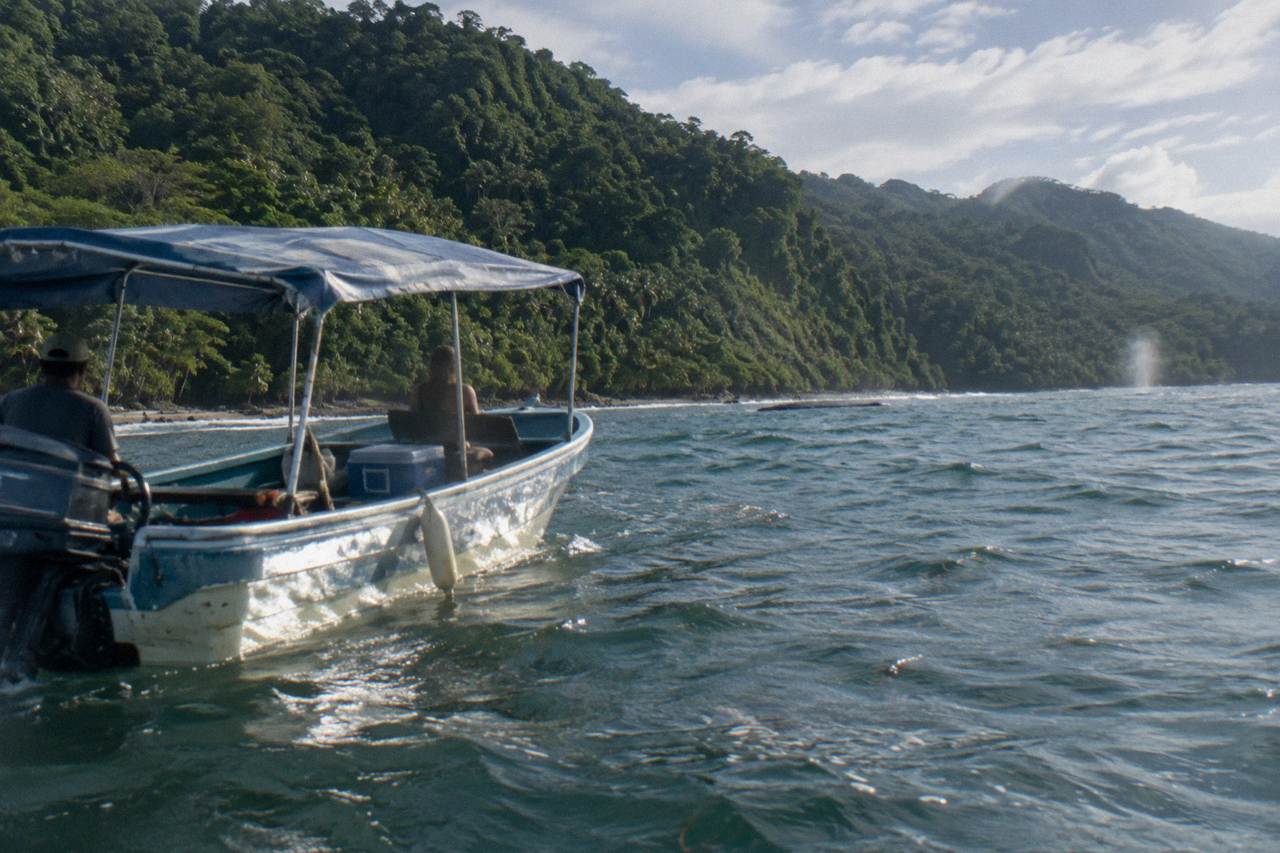
The core case for worth is structural rather than promotional. Marino Ballena National Park was the first protected area in Costa Rica created specifically for marine resources, with 5,160 marine hectares across a 15 km coastal strip, according to the park's own SINAC page. Boats leave from Uvita and Bahía Ballena directly into that protected water, so the trip is short and the whale habitat starts at the beach. Several boats launch straight off the sand with no dock, and guests wade out to board, which is worth knowing before you show up in flip-flops.
The honest caveats matter too. No operator can promise a whale, and boats reroute or cancel for sea state. None of that makes the tour a bad buy; it makes it a purchase where timing carries most of the value. The rest of this article works through the sub-questions that decide worth for a real trip: when to go, what it costs, what the rules allow boats to do, and which listing fits which traveler. Since most of these tours launch from Uvita itself, our answer to Is Uvita Worth Visiting In Costa Rica? weighs its whale seasons, park fees, and boat tour prices so you can decide if the town earns a spot on your route.
If you are already leaning toward booking, these three listings from the listed tours cover the widest spread of price and format:
What Are The Real Chances Of Seeing A Whale?
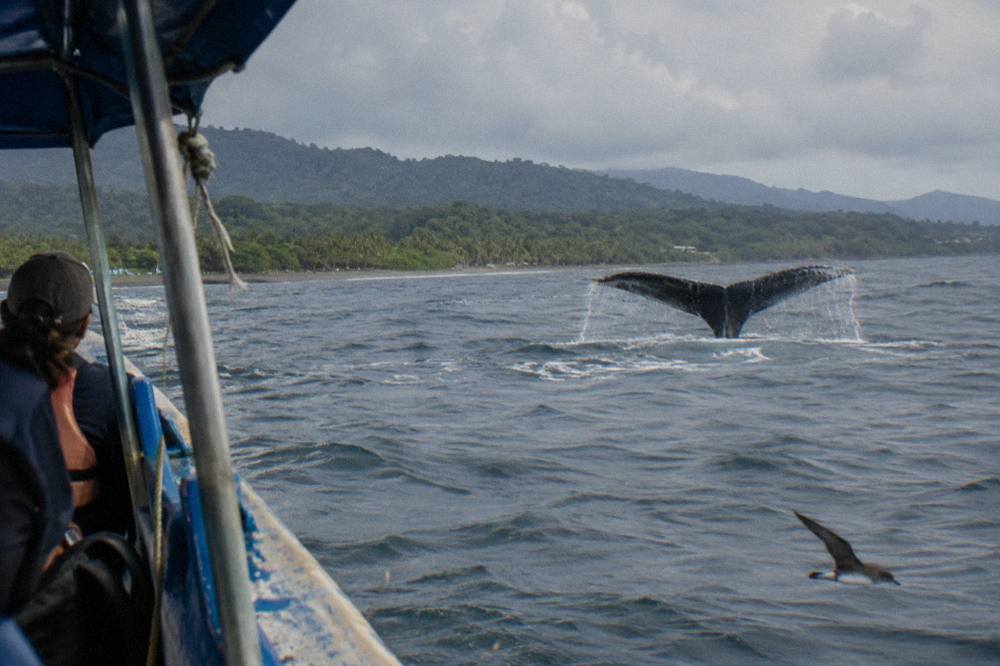
Treat any sighting percentage stated as fact with suspicion: one Uvita operator claims sightings near 50 percent from December to March and near 90 percent from July to October, but that covers only its own trips. What is verifiable is the migration pattern, with southern humpbacks present July to mid-November and northern humpbacks December to March.
The two-hemisphere pattern is a big part of why Uvita became a whale town. The IWC handbook describes the southern migration as one of the longest recorded whale migrations on the planet, animals traveling from the Antarctic Peninsula to breed in Costa Rican waters. Operator and guide pages consistently put the southern peak, especially for mother-calf pairs, in August and September, and the northern peak in January and February.
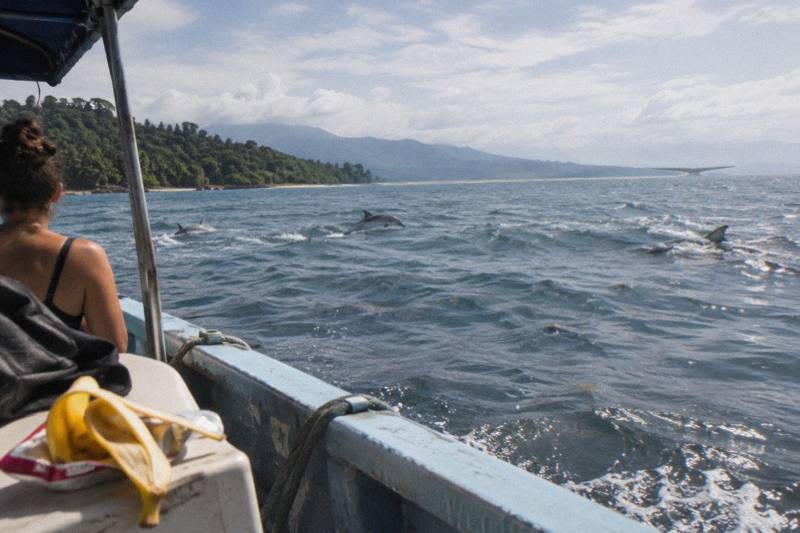
Dolphins complicate the picture in a good way. Bottlenose and pan-tropical spotted dolphins are described by the IWC profile as commonly viewed on Costa Rican tours, and operator pages report spinner dolphins as year-round residents.
Guest reports from the Uvita listings back this up. Rosemarie, reviewing the Ballena Infocenter whale and dolphin trip, wrote: "We observed a mother and baby humpback whale for at least 20 minutes. In addition we saw some sea turtles and had the chance to swim in the sea. It was overall a great trip!" Tessa, on the Marino Ballena Tours whale watch, reported "a mother whale and her calf, and at another spot, we also saw a bull with some dolphins." Neither review promises your trip will match; both show what a well-timed day delivers.
For a deeper breakdown by month, our guide to Best Time For Whale Watching In Uvita By Month builds the full calendar from the SINAC dry and rainy season windows.
What Does A Whale Watch From Uvita Actually Cost?
Shared whale watching trips from Uvita run from $75 to $129 per person across the live listings, with the lowest-priced boat, the morning whale and dolphin tour from Bahía Ballena, at from $75 per person carrying a 4.8 rating from 210 reviews. Park entry is included on most whale listings, and free cancellation is listed on the majority of them. A private cruise runs from $1,120 per group. To budget for the rest of your stay, our answer to Is Uvita Costa Rica Expensive? covers food, transport and park fees beyond the boat tours.
That price band is what makes the worth question answerable for most budgets. At the low end, the morning Bahía Ballena tour includes snacks, bottled water, snorkel equipment and free on-site parking. At the top of the shared-boat range, the humpback and wildlife focus trip at from $129 per person includes a biologist expedition leader, travel insurance and a donation to a humpback whale research project, which is a different product for a different buyer, not a more expensive version of the same one.
| Tour | Price | Rating and reviews | Duration |
|---|---|---|---|
| Morning Whale and Dolphin Tour | from $75 per person | ★ 4.8 · 210 reviews | 2.5 to 3 hours |
| Pacific Expeditions Whale Watch | from $80 per person | ★ 4.8 · 183 reviews | 3 hours |
| Drinks and Snacks Included (featured) | from $95 per person | ★ 4.5 · 775 reviews | 3.5 hours |
| Marino Ballena Tours Whale Watch | from $105 per person | ★ 4.5 · 110 reviews | 3 hours |
| Humpback and Wildlife Focus | from $129 per person | ★ 4.2 · 10 reviews | 3 hours |
| Private Cruise, Meal Included | from $1,120 per group | no reviews yet | 3.5 hours |
Two cost details do real work in the worth calculation. First, Marino Ballena entry is included in the tour price on most listings, which matters because independent park entry costs a non-resident adult USD 6.78, card payment only, per SINAC. Second, several listings exclude hotel pickup, meaning you meet at the departure point; where the listing says pickup is not stated, check the listing for transport rather than assuming either way. The full price anatomy, including what the cheapest listings trade away, is in our guide to How Much Does Whale Watching Cost In Uvita.
Which Trip Should You Book If You Only Have One Day?
For a single day, book the drinks and snacks boat trip from $95 per person: it is the most reviewed option (4.5 stars from 775 reviews), runs 3.5 hours, includes park entry, parking, fruit, pastries, juice and coffee, and caps at 80 guests. If you want a cheaper morning, choose the 4.8-rated tour from $75; wildlife-focused travelers should pick the research-linked trip from $129.
The featured boat earns its default status through review volume rather than any single feature. With 775 reviews, it is the most reviewed whale listing here by a wide margin, which tells you something about reliability and scheduling that no marketing copy can. Its exclusions are clearly stated too: no pickup, no alcoholic drinks, no snorkel gear. It is a whale and dolphin trip with refreshments and time to swim, but no snorkel gear, and knowing that before booking is half the satisfaction.
The alternatives earn their places on genuine differences, not price alone. The Pacific Expeditions whale watch at from $80 per person, 4.8 from 183 reviews, boards directly from the beach, includes tropical fruit and the park entry fee, and lists no restroom on board and no snorkeling, though swimming time is listed according to conditions. The combo listings at from $84.42 per person pair the whale watch with a snorkel stop for travelers who want to get in the water as well as watch it, and the 3-to-4-hour Ballena Infocenter trip adds a visit to Whale's Rock or Ventanas Cave, plus a coffee station before departure and a 4.6 rating from 107 reviews.
Solo travelers and couples weighing group size against price can compare formats in our guide to Private Vs Group Whale Watching Boat: Which To Book.
Are The Boats And Operators Well Regulated?
Yes, by national decree. Costa Rica regulates cetacean watching under Decreto Ejecutivo 32495, which sets a 100 m minimum approach distance for whales, 50 m for dolphins with the engine on and 30 m engine off, a 30-minute maximum with any group, at most two boats around one group, and a 4-knot speed limit inside observation areas. Swimming with, touching or feeding cetaceans is prohibited outright.
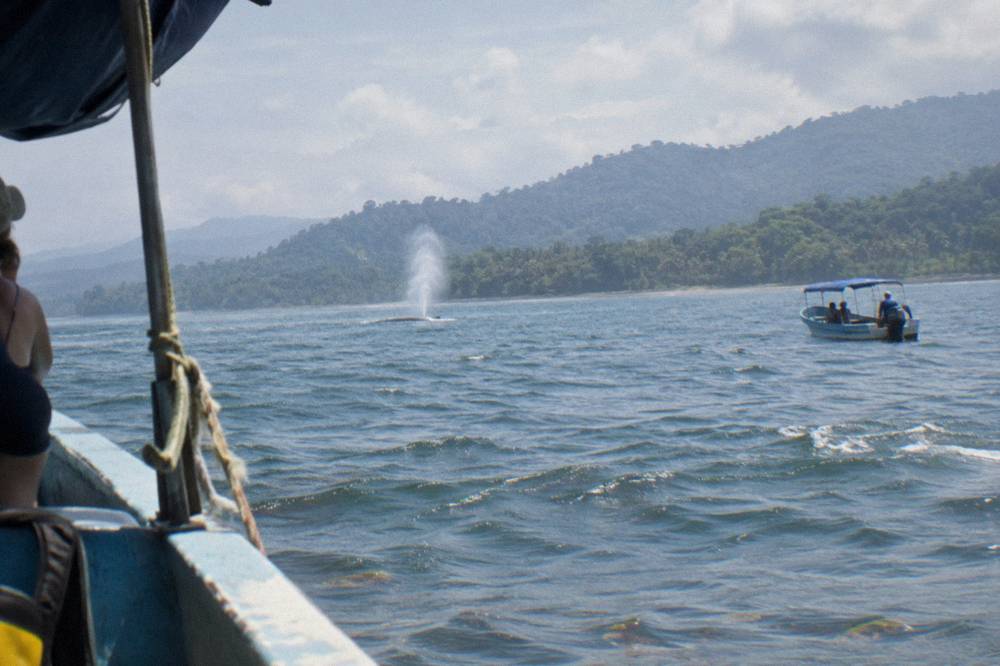
This regulatory backbone matters for the worth question more than most travelers realize. A legal Uvita boat cannot chase, encircle or crowd whales, and it cannot put you in the water beside them. What you get instead is a slow parallel approach and a limited window with the animals before the boat withdraws. Some travelers read those limits as a downside; others see a boat that respects the animals as part of the value.
No framework guarantees any individual operator's behavior on a given day, but the rules a licensed boat works inside are published and strict. The full rule set, including the mother-calf provisions, is unpacked in Costa Rica's whale watching boat rules and ethics.
What Time Of Year Gives The Best Value?
August and September deliver the strongest combination of whale presence and workable weather: the southern-hemisphere peak for mother-calf pairs coincides with the September festival period in Bahía Ballena. February and March are the smart dry-season pick, combining the northern-hemisphere whales with the lowest rainfall months on long-term averages and the best snorkel visibility in Marino Ballena, reported best January to April by one operator source.
Seasonality is where worth swings hardest. Come in November, the tail of the southern season, and the same boat at the same price is a bigger gamble. The SINAC climate summary splits the year into a dry season from mid-December to mid-April and a rainy season from mid-April to mid-December, and operators cancel or reroute case by case and no month is a guarantee.
The early-September festival deserves a mention in any value discussion. The IWC handbook notes that each September the Bahía Ballena community organizes a whale festival with reduced tour prices, and local reports describe the 16th edition running over the first weekend of September with concerts, a race and free surf classes. It is a yearly event rather than a bookable product, but a traveler already in the area that weekend gets a town at its liveliest.
Snorkel-minded travelers should tilt toward the dry months. Visibility in Marino Ballena is reported best from January to April by one operator source, the same window that brings northern humpbacks, and water temperature holds around 78 to 84 F year-round per the same operator's reading. Travelers deciding between a whale watch and a reef day can weigh both in Uvita snorkeling tours and the reefs.
Is It Worth It With Kids Or If The Sea Is Rough?
Yes with kids if you book the 2.5-to-3-hour morning tour at from $75, since shorter is easier on young children; minimum ages are not stated on the listings, so ask the operator. For rough seas, operators decide conditions on the day, and weather cancellations are normal.
Morning departures are the quiet advantage of the cheaper listings. One operator asks guests to arrive by 8:30 AM. Families with young children or anyone prone to seasickness should treat the 3.5-hour featured trip as the upper bound of duration, not the starting point, and our guide to Whale Watching With Kids In Uvita: Ages, Safety And Timing works through the practical details listing by listing.
Rough-day decisions belong to the captain. The decree even allows authorities to close observation areas temporarily for weather, boat saturation or biological reasons, so a canceled trip is the system working, not a failure. Where a listing states free cancellation, rebooking is usually straightforward; the featured trip lists free cancellation, as do the morning tour and the Ballena Infocenter trip. Reviewer Julie_B's account of the morning tour captures the flexible format: "We were given the choice of finding more whales or snorkeling at the Whale’s Tail. The boat voted for snorkeling."
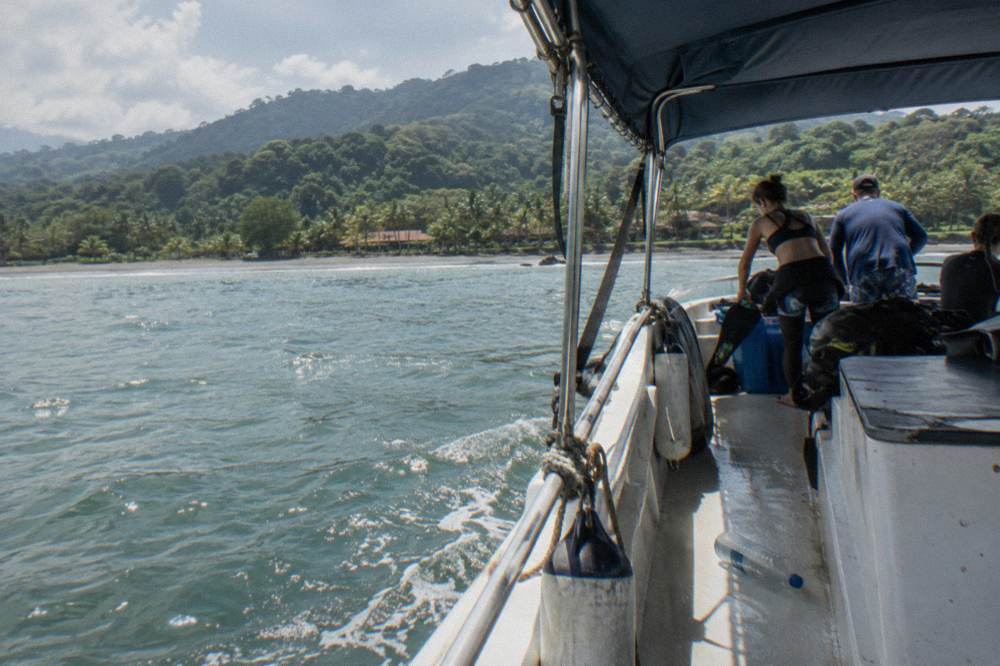
What Do Travelers Say After The Trip?
Review patterns across the listed tours are consistent: guests on well-timed trips report mother-calf sightings, one lasting at least 20 minutes. The three most reviewed whale listings hold 4.5 from 775, 4.8 from 210 and 4.8 from 183 reviews respectively, and the recurring praise targets guide communication and how close boats legally get to the animals.
Two honest footnotes belong beside the praise. Listings with only a handful of reviews deserve caution whatever the star number. And a 4.5 average across hundreds of reviews includes no-show days. Reading the skeptics, not just the five-star posts, is the fastest way to calibrate expectations before paying.
The Verdict On Worth
Yes, whale watching in Costa Rica is worth it for most travelers who time a trip to either peak and pick a listing that matches their goals: the from-$75 morning boat for budget-conscious visitors, the featured 3.5-hour trip for first-timers who want the most reviewed option, or the research-linked trip for wildlife-focused travelers. It is weakest as a spontaneous shoulder-season purchase, and no listing guarantees a whale.
The worth case, compressed: two humpback seasons a year, a firm regulatory framework that protects both the animals and the experience, shared-boat prices from $75 with park entry usually included, and a local fleet whose boats communicate once a whale is spotted, per guest reviews. Against that: wild animals and weather cancellations. Readers weighing Uvita against the country's other whale ports can take the comparison further in our guide to Whale Watching Uvita Vs Manuel Antonio Vs Drake Bay, and the site's own Uvita Whale Watching comparison pages put every listing side by side.
Common Questions About Whale Watching In Costa Rica
Is Whale Watching In Costa Rica Worth It?
For most travelers, yes, provided the timing is right. August and September bring the southern-hemisphere peak including mother-calf pairs, and January and February bring the northern peak. Shared trips from Uvita start at from $75 per person, the most reviewed listing holds a 4.5 rating from 775 reviews, and park entry is included on most listings. Outside the peaks the value drops and expectations should follow.
What Is The Best Month For Whale Watching In Costa Rica?
August and September are the strongest months for the southern-hemisphere humpbacks, especially mother-calf pairs per operator pages, and February and March combine the northern-hemisphere whales with the lowest rainfall and the best reported snorkel visibility. No month carries a guaranteed sighting.
How Much Does A Whale Watching Tour From Uvita Cost?
Shared whale watching listings run from $75 to $129 per person, with the featured 3.5-hour drinks and snacks trip at from $95. A private cruise runs from $1,120 per group. Most whale listings include Marino Ballena park entry; check each listing for pickup, meals and cancellation terms.
Can You Swim With Whales In Costa Rica?
No. Decreto Ejecutivo 32495 prohibits swimming, diving or any in-water activity around cetaceans, along with touching and feeding them. Boats must stay at least 100 m from whales and 30 minutes maximum with any group.
Do Whale Watching Tours Get Canceled For Weather?
Yes, and cancellations or reroutes for sea state are normal practice. Authorities may also close observation areas temporarily for weather or biological reasons under the decree. Most Uvita listings state free cancellation, so rebooking is usually straightforward; check the live listing before you travel.
Will I See Dolphins Even If No Whales Show Up?
Quite possibly. Bottlenose and pan-tropical spotted dolphins are described as commonly viewed on Costa Rica tours by the IWC profile, and operator pages report spinner dolphins as year-round residents.