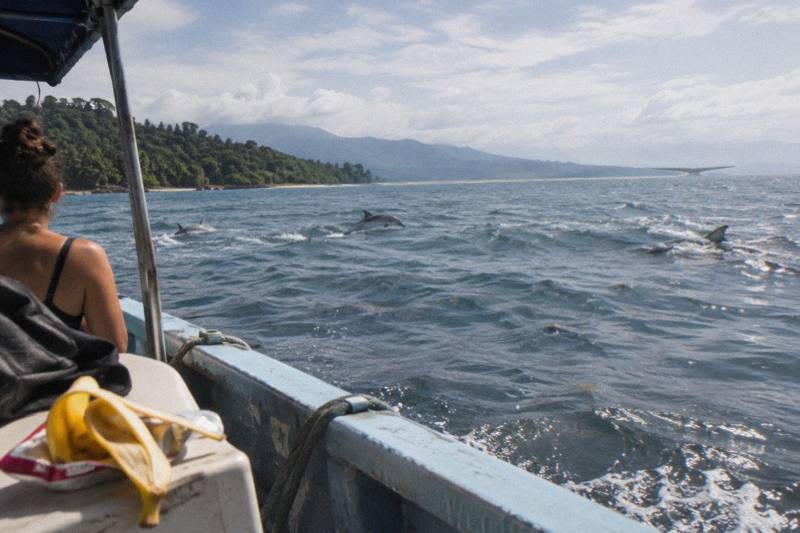
Whale Watching In Costa Rica: Where Uvita Fits
Two humpback populations from opposite hemispheres visit Costa Rica's Pacific coast, and the small town of Uvita sits beside Marino Ballena National Park, on the coast they visit.
Short answer
Costa Rica hosts two humpback migrations: southern-hemisphere whales from July to mid-November and northern-hemisphere whales from December to March. Uvita, on the south Pacific coast, is the main gateway to Marino Ballena National Park, with shared boat tours from $75 per person and the most reviewed trip at 4.5 from 775 reviews.
Humpback whales from both hemispheres visit Costa Rica's Pacific coastline. The International Whaling Commission's country profile notes that Pacific waters here host two distinct populations each year: whales that feed off the northwest United States arriving from December to March, and whales from the Antarctic Peninsula and southern Chile arriving from July to mid-November, a migration the IWC describes as the longest recorded.
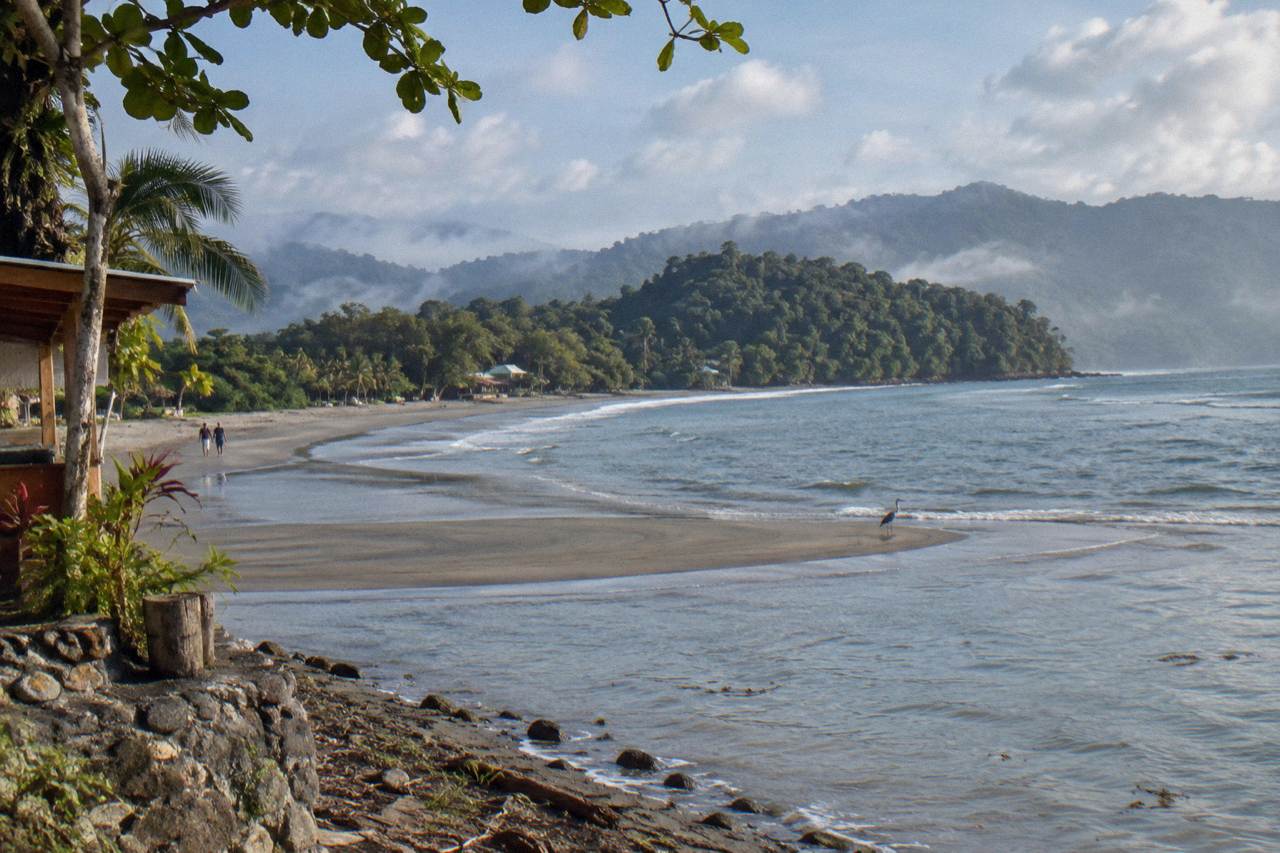
Within Costa Rica, the question quickly becomes regional. Boats leave from several Pacific communities, and the choice of base changes what kind of day you get. This guide lays out the country picture, then makes the specific case for Uvita and Bahía Ballena on the south Pacific coast, where Marino Ballena National Park was created as the first protected area in Costa Rica devoted exclusively to marine resources, with 5,160 marine hectares and 171 land hectares across a 15 km coastal strip, per the park's SINAC page. Uvita Whale Watching is built entirely around that one stretch of water, and most of what follows explains why.
Before the regional argument, one framing note. The SINAC page also prints a claim, in SINAC's own wording, that the park holds eighth position among the world's best cetacean watching sites per a National Geographic ranking. That ranking belongs to SINAC's page, not to an independent verdict, and the honest way to use it is as a sign of how central this bay is to Costa Rica's whale story rather than as a league table. The same page names the fauna the park protects: humpback whale, spotted dolphin, bottlenose dolphin, manta ray, hammerhead shark and parrotfish.
Where Do Humpback Whales Actually Gather In Costa Rica?
Humpbacks gather along the whole Pacific coast, but the south Pacific around Marino Ballena is where whale watching first developed as an industry. The IWC handbook traces the country's whale watching origins specifically to Dominical, Uvita, Drake Bay, Caño Island and Golfo Dulce. Uvita sits at the northern end of that cluster.
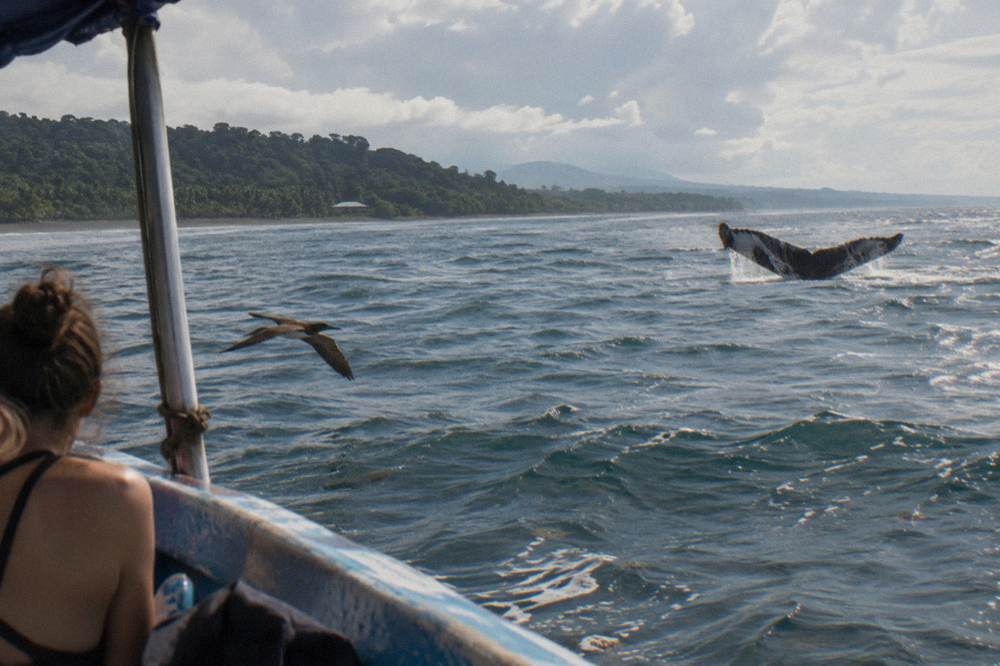
The IWC profile reports as many as 34 species of whales and dolphins in Costa Rican waters, and names the common bottlenose dolphin and the pantropical spotted dolphin as species commonly viewed on tours. For humpbacks, the two arrivals are the headline. Southern-hemisphere whales come to mate, give birth and nurse in warm, protected water, with operator pages noting the strongest mother-and-calf period in August and September. Northern-hemisphere whales repeat the pattern from December to March, peaking in January and February per the same operator sources.
Bahía Ballena has a tombolo sandbar and coral reef patches, per SINAC. Operator pages for the area describe near year-round whale presence precisely because the two populations arrive in alternating waves. No source gives a coast-wide sighting rate, and none should: whales move, and any honest comparison of regions rests on seasonality, access and trip style rather than on a percentage.
The other species in the bay deserve their own sentence, because they shape what a day on the water actually delivers. Bottlenose and spotted dolphins are commonly viewed on tours, per the IWC, and local wildlife sources describe them as year-round residents, adding spinner dolphins and olive ridley and hawksbill sea turtles (nesting primarily May to November). In practice that means a boat that finds no humpback on a given morning still has a realistic chance of dolphins and turtles, which is why reviewers mention them alongside the whales.
For planning month by month, our guide to Best Time For Whale Watching In Uvita By Month breaks down the year, and our guide to Humpback Whales In Costa Rica: Two Migrations Explained covers the biology behind the overlap.
Why Does Uvita Work Better Than Its Size Suggests?
Uvita is a small town with an outsized whale watching infrastructure: a national park designed around marine life, a beach-launch fleet, and the most reviewed boat trip listed here, at 4.5 from 775 reviews, from $95 per person. Trips last 2.5 to 4 hours.
The practical advantage is distance. Boats leave from Uvita or Bahía Ballena beach, in several cases launching straight off the sand with no dock. Trips run 2.5 to 4 hours on shared boats. The featured trip, the drinks-and-snacks boat trip, runs 3.5 hours, carries up to 80 guests, includes pastries, bananas, juice, coffee, tropical fruit, lifejackets and the Marino Ballena park entry fee, and lists free cancellation. A guest review on the Marino Ballena Tours whale watch, a 3-hour trip capped at 20 guests from $105 per person, describes watching "a mother whale and her calf, and at another spot, we also saw a bull with some dolphins." If your trip includes a swim stop, our answer to Is It Safe To Swim In Uvita? covers the tides, the best beach sectors, and the rules for getting in the water near whales and dolphins.
Price is the second advantage. Shared whale watching from Uvita starts at $75 per person listed here, with most 3-hour trips clustered between $80 and $105. Regional context helps here: our guide to How Much Does Whale Watching Cost In Uvita shows what drives the spread. At the other end, a private cruise with lunch and drinks runs from $1,120 per group.
The town itself supports the visitor. Uvita has supermarkets, bank ATMs and clinics along the highway strip, though no hospital in town, per recent traveler-guide reporting. It is a functional base, not a resort strip: travelers choosing between it and the better-known Manuel Antonio can read our answer to Is It Better To Stay In Manuel Antonio Or Uvita? on the blog, and families weighing logistics have our guide to Whale Watching With Kids In Uvita: Ages, Safety And Timing.
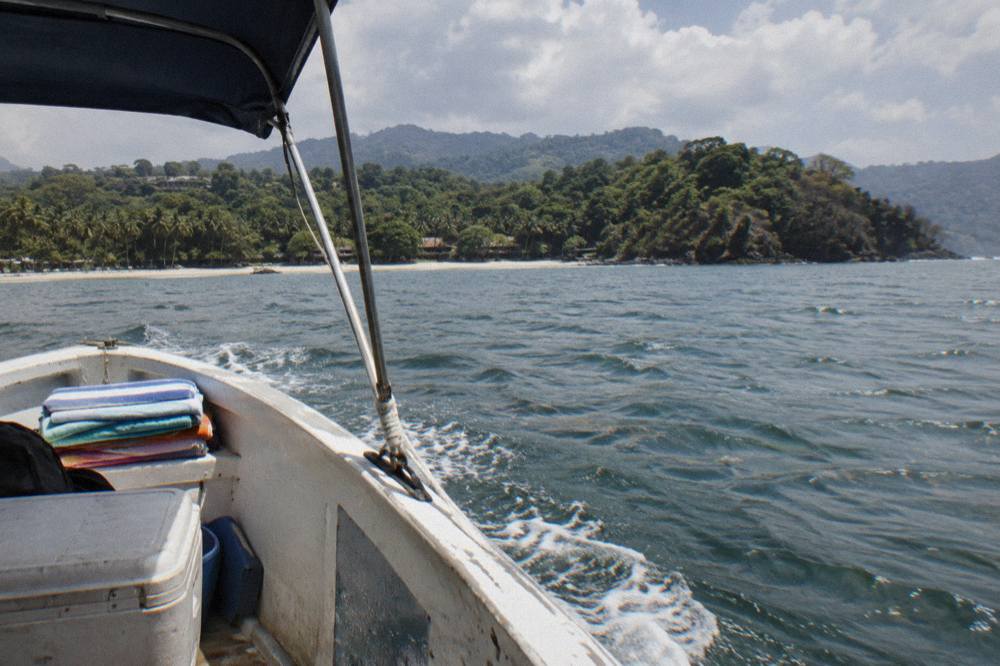
The two trips above are the most reviewed shared boat and a highly rated park whale watch (4.8 from 183 reviews, from $80 per person).
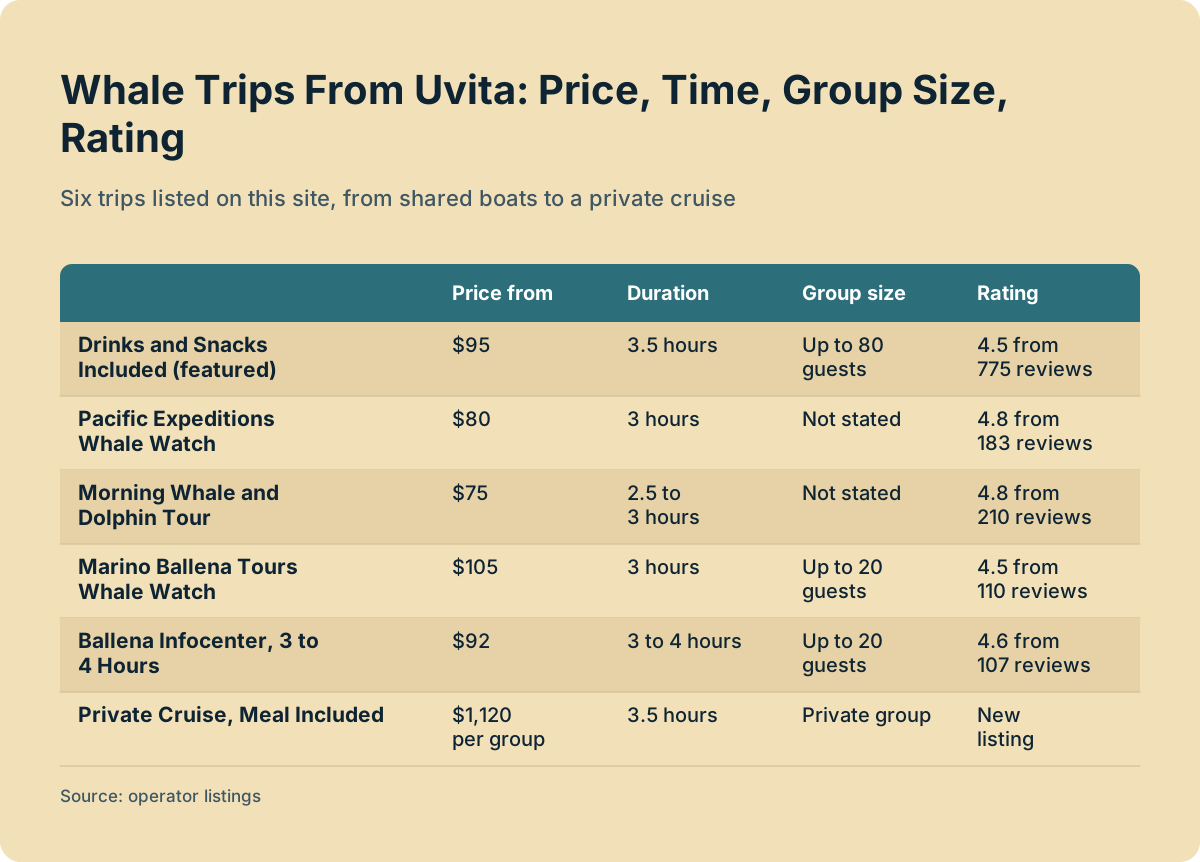
To see how the Uvita options stack up against each other in format and price, here is the listed tours at a glance:
| Trip | Rating and reviews | From (per person) | Duration | Group size |
|---|---|---|---|---|
| Drinks and Snacks Included (featured) | ★ 4.5 · 775 reviews | $95 | 3.5 hours | Up to 80 guests |
| Pacific Expeditions Whale Watch | ★ 4.8 · 183 reviews | $80 | 3 hours | Not stated |
| Morning Whale and Dolphin Tour | ★ 4.8 · 210 reviews | $75 | 2.5 to 3 hours | Not stated |
| Marino Ballena Tours Whale Watch | ★ 4.5 · 110 reviews | $105 | 3 hours | Up to 20 guests |
| Ballena Infocenter, 3 to 4 Hours | ★ 4.6 · 107 reviews | $92 | 3 to 4 hours | Up to 20 guests |
| Private Cruise, Meal Included | No rating yet | $1,120 per group | 3.5 hours | Private group |
How Does Marino Ballena Compare With Other Whale Watching Regions?
Marino Ballena offers something specific: short, affordable boat trips inside a marine park, with two whale seasons, dolphins year-round and a walkable sandbar you can see from shore. Readers deciding between regions should weigh trip length, price and travel time, not promises.
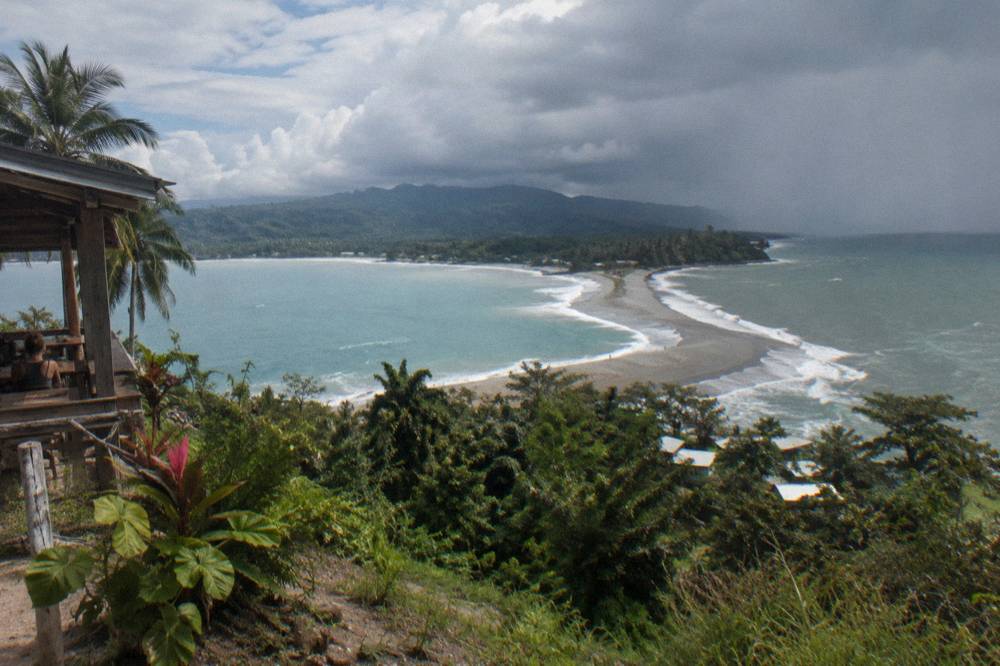
The IWC handbook lists the Pacific south as the historic heart of Costa Rican whale watching, naming Dominical, Uvita, Drake Bay, Caño Island and Golfo Dulce together. They are not interchangeable. This site's Uvita versus Manuel Antonio versus Drake Bay comparison goes deeper, and for whale watchers torn between Manuel Antonio and Uvita, our answer to Is It Better To Stay In Manuel Antonio Or Uvita? weighs where you would sleep, how far you would drive and what the tours really cost.
| Region | Typical trip from Uvita baseline | Getting there | Best suited to |
|---|---|---|---|
| Uvita / Marino Ballena | 2.5 to 4 hours, from $75 per person | Route 34, about 222 km from San Jose, roughly 3 h 28 min drive by one route estimate | Short, lower-cost trips inside a marine park |
| Drake Bay / Osa | Not covered by the listed tours | Further south; Caño Island boats also leave from Drake Bay per SINAC | Travelers already committed to the Osa |
| Manuel Antonio / Quepos | Not covered by the listed tours | 40 to 62 km north of Uvita per older route listings | Visitors based there already |
| Caño Island day trip from Uvita | 6 to 8 hours, from $150 per person | About 50 to 80 minutes by boat from Uvita, according to one local operator | Snorkelers wanting reef time |
Travelers who want a laid-back base between boat trips can read our answer to What Is Dominical Costa Rica Known For? before deciding where to stay.
One caution that applies everywhere: no operator can promise a sighting. The featured listing's own know-before-you-go text states a 50 percent chance from December to March and 90 percent from July to October, and that figure belongs to that one operator's statement about their own trips, not to the coast. Treat every percentage you read anywhere the same way, and pick the trip whose duration, price and style fit, not the one with the boldest number.
If you are leaning toward the south Pacific, two further pieces matter: our guide to Whale Watching Boat Rules And Ethics In Costa Rica, which explains the approach distances licensed boats must keep, and our guide to Marino Ballena National Park Entrance Fee And Tours, since most Uvita tours bundle entry into the ticket while independent park visits do not.
What Does Regulated Whale Watching Look Like Here?
Costa Rica regulates cetacean watching under Decreto Ejecutivo 32495: boats keep at least 100 m from whales over 5 m, at most two boats observe one group at a time, observation is capped at 30 minutes, and swimming with, touching or feeding cetaceans is prohibited. A licensed Uvita trip is a regulated activity inside a national park, not a free-for-all.
The rules set conduct any captain must follow: approach diagonally from behind at low speed, no more than 4 knots in observation areas, no restarting a switched-off engine until the animals are 50 m away, and a strict time limit per group.
The decree goes further than distance limits. Vessels must not split or disperse a swimming group, must not make excessive noise or use echo sounders near cetaceans, and must not dump waste; for a single individual or a mother with a calf the observation limit drops to 15 minutes under one article of the decree. Authorities can also temporarily close observation areas for weather, boat saturation or biological reasons, which is one honest reason a tour might be moved or refunded rather than run.
Guest reviews from the listed tours reflect how this reads on the water. One reviewer on the 3-to-4-hour Ballena Infocenter trip (4.6 from 107 reviews, from $92 per person, up to 20 guests) wrote: "We observed a mother and baby humpback whale for at least 20 minutes. In addition we saw some sea turtles and had the chance to swim in the sea."
When Should You Plan A Whale Watching Trip In Uvita?
Plan around the southern season, July to mid-November with the strongest mother-calf period in August and September, if mother-calf pairs are the priority; plan around December to March, peaking January to February, for the northern season combined with dry, calm weather. February and March are the lowest-rainfall months on long-term averages.
Both seasons work, but they feel different. The southern season brings the festival: the community of Bahía Ballena organizes a whale festival each September, per the IWC, with reduced tour prices. The 16th edition ran 4 to 6 September 2026 with concerts, an artisan fair and special-price trips for nationals, per local reports. The northern season coincides with SINAC's dry season, mid-December to mid-April, when seas tend to be calmer and Marino Ballena snorkel visibility is at its best, according to one local operator that rates January to April highest.
| Window | Population | Peak (per operator pages) | What pairs well with it |
|---|---|---|---|
| July to mid-November | Southern humpbacks | August to September, mother-calf pairs | The early-September whale festival in Bahía Ballena |
| December to March | Northern humpbacks | January to February | Dry season, best snorkel visibility according to one local operator |
| Year-round | Bottlenose and spotted dolphins, per the IWC | Not applicable | Any boat day; dolphins do not follow the humpback calendar |
Weather context: SINAC defines the dry season as mid-December to mid-April with only sporadic rain, and the rainy season as mid-April to mid-December. Long-term averages put February and March among the driest months, and one operator source reports water temperatures of 78 to 84 F year-round in the Uvita and Marino Ballena area. Neither figure promises a calm sea on your date; boats decide sea state on the day, and trips can be rerouted or rescheduled when conditions demand it. The site's weather by month guide takes that planning question further.
The humpback-focused trip from the listed tours, the Humpback and Wildlife Watching expedition led by a biologist with a research donation built in, runs 3 hours from $129 per person, and its listing includes an informative talk about whale watching. For a fuller seasonal breakdown with month-level planning notes, see our guide to Best Time For Whale Watching In Uvita By Month.
A morning departure suits most travelers. The Morning Whale and Dolphin Tour (4.8 from 210 reviews, from $75 per person, 2.5 to 3 hours, with snacks, water and snorkel gear per its inclusions) is the lowest-priced whale trip, and one guest review calls it "an excellent small tour" where the boat voted between more whale searching and snorkeling the Whale's Tail. Check availability alongside the internal morning tour page if an early start appeals.
Is The South Pacific The Right Choice For Your Trip?
Choose Uvita if you want a short, affordable, regulated whale watch with two seasons, a walkable national park beach and the option to extend to a full-day Caño Island snorkel. Choose another region only if you are already based there, or if remoteness is the point of your trip.
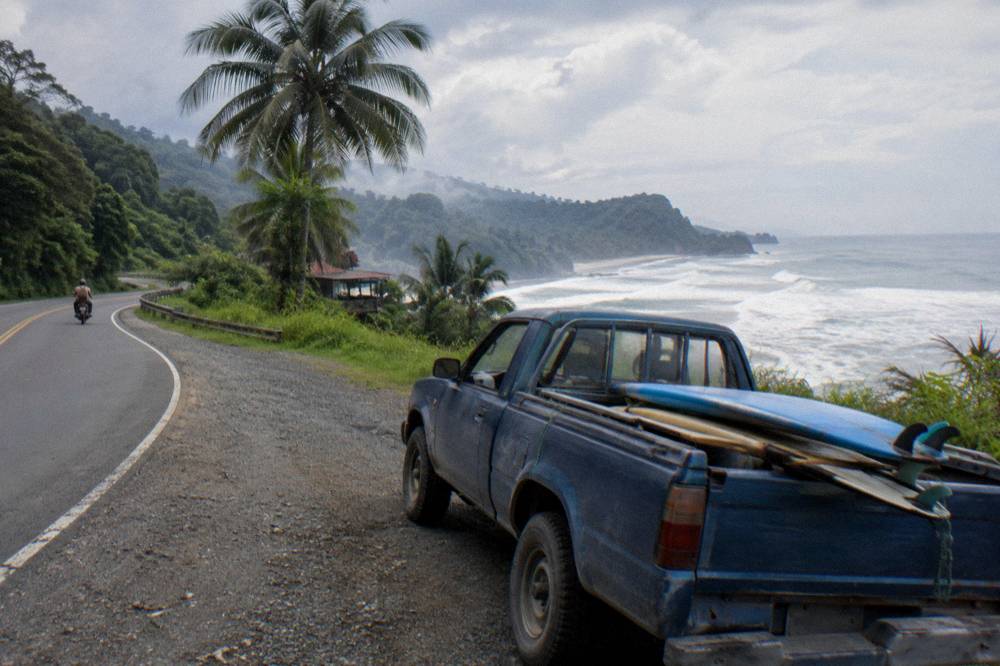
The case for the south Pacific is cumulative. The trips are short, the price floor listed here is $75 per person, the boats are licensed inside a national park with hard conduct rules, and the season runs most of the year because two hemispheric populations alternate. Add the practical layer: Route 34 connects the coast, Dominical is about 18 km and 15 minutes north of Uvita, and San Jose is a drive of roughly 3.5 hours by one route estimate, covered in detail in our guide to San Jose To Uvita: Getting There For A Whale Trip. Buses run the Costanera route with Tracopa; check Tracopa directly for fares and times.
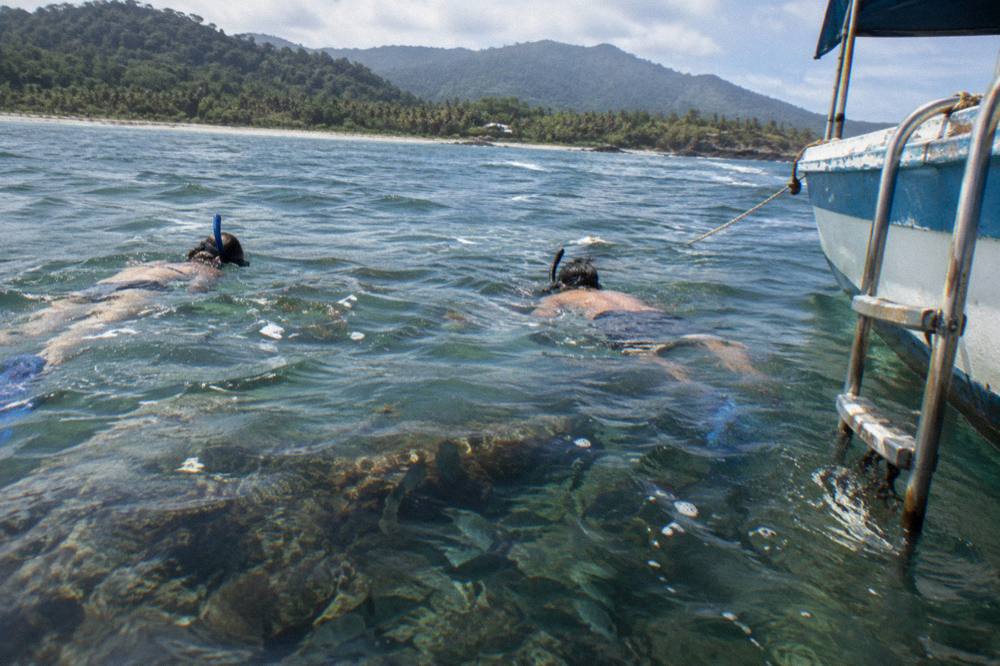
The counter-case is honest too. A Uvita whale watch is a half-day activity on a shared boat with up to 80 guests on the largest listings, not an expedition. Travelers wanting a boat to themselves should read our guide to Private Vs Group Whale Watching Boat: Which To Book, where the private charter options (from $95 per person with a varies-by-group-size note on one listing, from $1,120 per group on the other) are laid out. Travelers who want underwater time should note that the 3-hour whale and snorkel combos, from $84.42 per person (4.3 from 136 reviews), are different products from the 6-to-8-hour Caño Island days, from $150 per person, and our guide to Whale Watching And Snorkeling Combo From Uvita keeps them separate. The Caño Island day deserves its own sentence: SINAC's reserve page allows the marine part only, with no landing, visits from 8:00 a.m. to 3:00 p.m. by prior reservation, and a foreign adult fee of $16.95 with child (2 to 12) entry at $5.65, figures many Uvita tour tickets already bundle.
One reviewer on the combo tour put the standard shared-boat experience well: "The guides really know what they are doing." That is the realistic promise of a Uvita trip: a coordinated, regulated fleet inside a small marine park, across two whale seasons.
Common Questions About Whale Watching In Costa Rica
Where Is The Best Place To Go Whale Watching In Costa Rica?
The south Pacific coast around Marino Ballena National Park, with Uvita as the main base, is where whale watching first developed in Costa Rica and where both hemispheric humpback populations visit. Shared tours there run from $75 per person. Drake Bay and Caño Island also run trips for travelers based further south.
What Months Can You See Whales In Costa Rica?
Southern-hemisphere humpbacks visit from July to mid-November, peaking in August and September for mother-calf pairs. Northern-hemisphere humpbacks visit from December to March, peaking January to February. Dolphins are present year-round.
Is Uvita Good For Whale Watching?
Yes. Uvita is the gateway to Marino Ballena National Park, trips are short (2.5 to 4 hours), the lowest listed price is $75 per person, and the most reviewed boat trip holds 4.5 from 775 reviews. Several boats launch from the beach, and trips are short.
How Much Does Whale Watching Cost In Costa Rica?
From Uvita, shared whale watching tours listed here run from $75 to $129 per person, with most 3-hour trips between $80 and $105. Private charters start from $95 per person on one listing (price varies by group size) or from $1,120 per group on another. Check each listing for what the price includes.
Are Whale Sightings Guaranteed?
No. No operator can guarantee a sighting. One Uvita listing's own know-before-you-go text cites a 50 percent chance December to March and 90 percent July to October, and that figure applies to that operator's statement only. Boats may also cancel or reroute for weather and sea state.