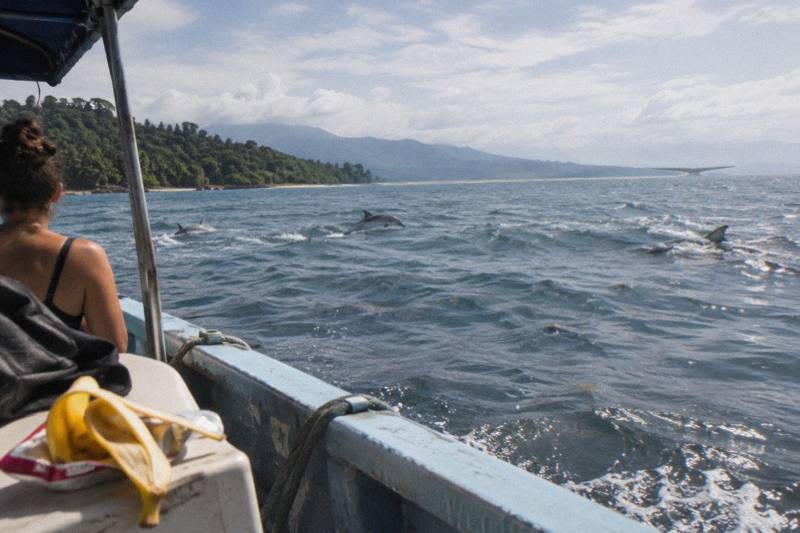
Is It Better To Stay In Manuel Antonio Or Uvita?
A practical comparison of staying in Manuel Antonio versus Uvita for a Costa Rica whale watching trip, with drive distances, park facts and real tour prices.
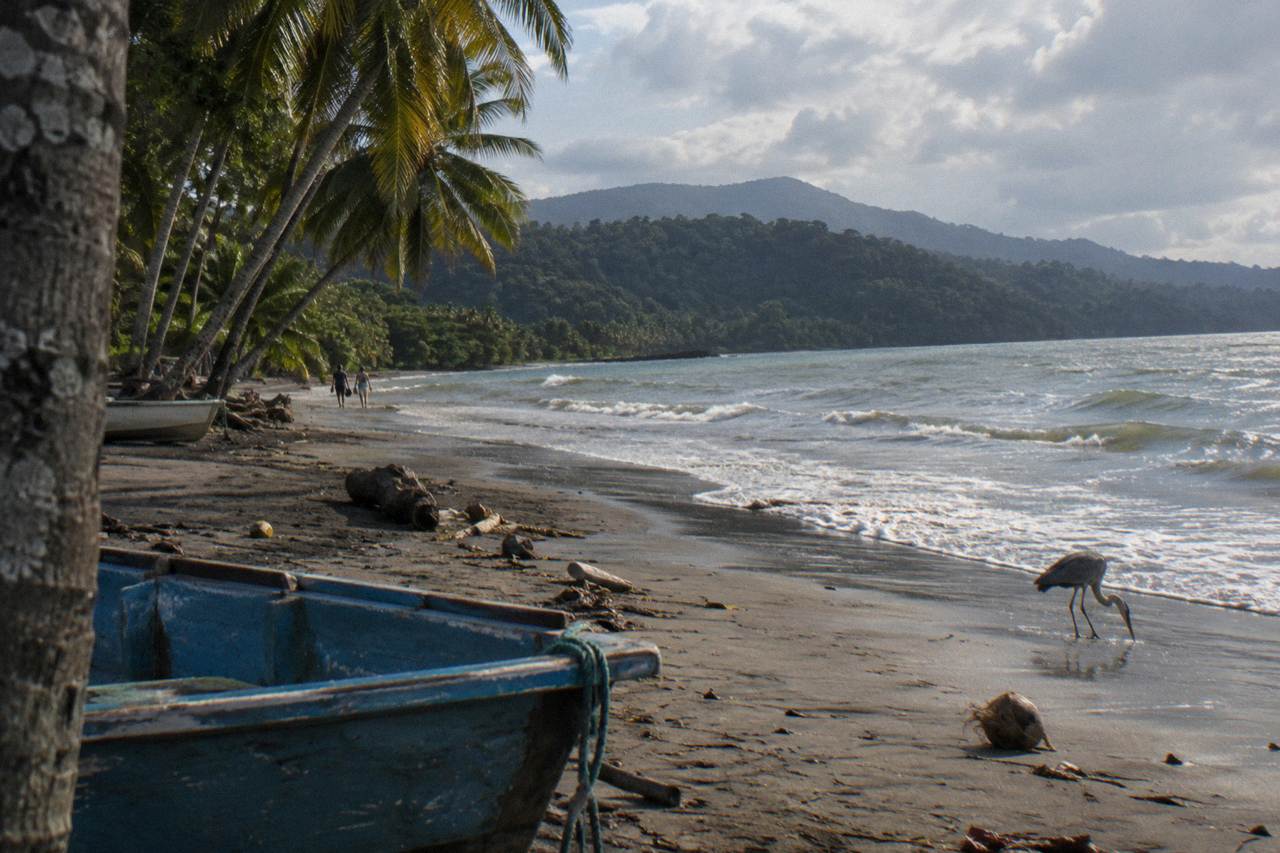
For a whale watching trip, Uvita is the better base: the boats leave from Uvita and Bahía Ballena, at Marino Ballena National Park, and staying there puts you at the departure point rather than a drive away. Manuel Antonio suits travelers whose priority is its national park and beach scene, with whales as a day trip. Quepos to Uvita is roughly 40 to 62 km depending on the source, about 30 to 49 minutes on Highway 34.
That is the short answer, and it is worth being blunt about it: this site is called Uvita Whale Watching, so the deck is admittedly stacked. But the comparison is real, and plenty of travelers weigh it seriously. Manuel Antonio is the better known destination, with a famous national park of its own. Uvita is smaller, quieter and sits directly on the departure beaches for the boats that go out looking for humpbacks and dolphins.
The honest framing is not which town is better in the abstract. It is which town is better for what you actually came to do. If the trip exists because of whales, the answer resolves itself quickly, because every one of the 28 bookable tours listed here departs from Uvita or Bahía Ballena. If whales are one item on a longer list, the trade-offs get more interesting, and this article works through them one by one.
The comparison matters for a second, less obvious reason: your base decides which departures are reachable at all. Early morning boats and the simple logistics of getting to a beach launch with no dock all favor the person sleeping twenty minutes away. The featured listing on this site, the drinks and snacks boat trip that carries a 4.5 rating from 775 reviews at from $95 per person, departs from Uvita, and guests meet at the departure point rather than being collected. Staying far away means building your whole morning around the drive.
How Far Is Manuel Antonio From Uvita Really?
The drive from Quepos, the town beside Manuel Antonio, to Uvita is listed at roughly 40 to 62 km depending on the source, about 30 to 49 minutes via Highway 34. Dominical to Uvita is about 18 km and 15 minutes on the same road. San Jose to Uvita is about 222 km and around 3 hours 28 minutes by Route 34 by one route estimate, with other sources ranging from 3 hours to 4 hours 7 minutes.
Those numbers tell you the two towns are close enough that a day trip between them is entirely reasonable, and far enough that an 8:30 a.m. check-in requires an early alarm. Highway 34, the Costanera Sur, is the connecting road, and it runs along the coast through Dominical.
The drive itself is part of the appeal. It is a coastal road, and in the dry season, mid-December to mid-April per SINAC's climate description for the region, conditions are generally more settled. In the rainy season, mid-April to mid-December, build in buffer time for any departure that matters. Road works do appear on this route; in June 2026 the transport ministry opened provisional passage while works started on a bridge over the Rio Coronado in the Osa area, a reminder that checking conditions before a long drive is simply good practice. For the full picture on arriving from the capital, see our guide to San Jose To Uvita: Getting There For A Whale Trip.
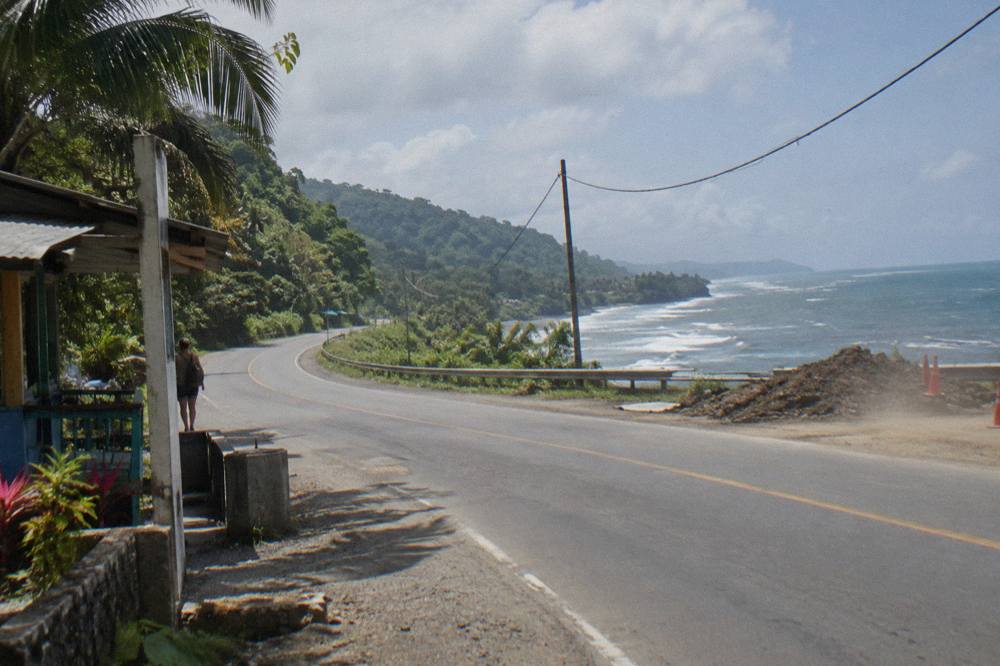
For a sense of scale down the coast, Ojochal to Dominical via Uvita is 37 km and about 41 minutes, so the whole Costa Ballena strip, Dominical, Uvita and Ojochal, functions as one drivable zone. If you stay anywhere in it, you are within half an hour of the Uvita departure points. Manuel Antonio sits outside that zone but still within a workable morning drive.
There is also a bus option. Tracopa runs buses from San Jose to Uvita on the Costanera route, several departures daily, taking roughly 3 hours 22 minutes to 4 hours 31 minutes. Treat fares as a check-with-Tracopa matter rather than a printed number. SINAC itself names Tracopa as the way to arrive, with the specific note to confirm the route runs via the Costanera and stops in Uvita.
Where Do The Whale Watching Boats Actually Leave From?
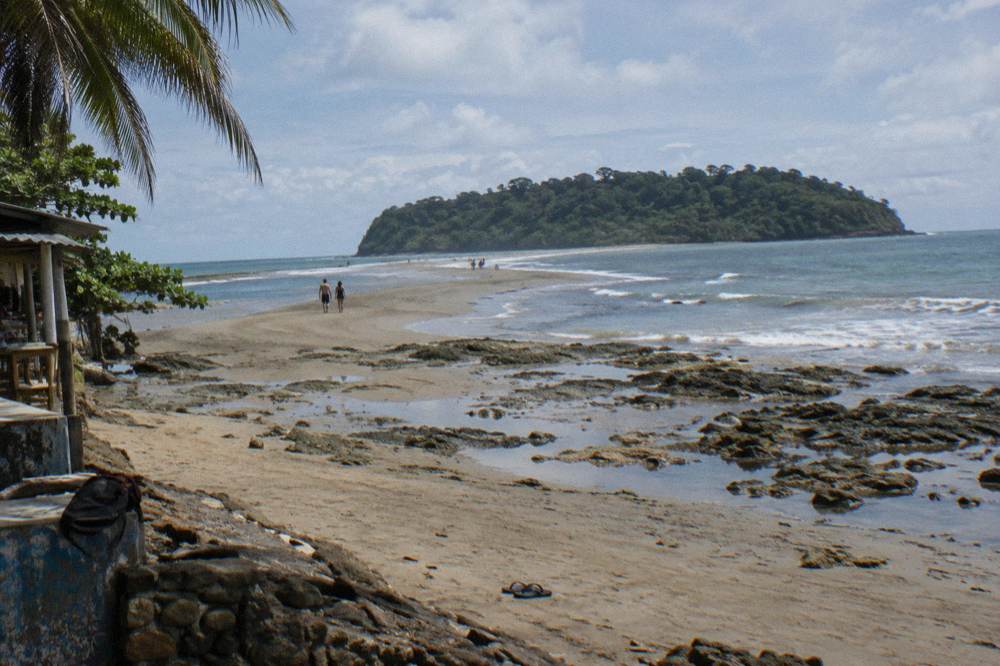
Every whale and dolphin tour listed here, all of them, departs from Uvita or Bahía Ballena, the communities on the doorstep of Marino Ballena National Park. None departs from Manuel Antonio or Quepos. The park spans 5160 marine hectares along a 15 km coastal strip, and the boats launch from the beach, in several cases with no dock, so guests wade to the boat.
That last detail surprises people and deserves emphasis. The listing for the Pacific Expeditions whale watch, 4.8 from 183 reviews at from $80 per person, states it directly: there is no port for boarding, it is done straight from the beach. So the departure experience is not a marina with a gangplank. It is a beach launch, which is charming and also means practical footwear and a willingness to get your feet wet. The International Whaling Commission's country profile notes that whale watching in Costa Rica originally developed in exactly these southern Pacific communities: Dominical, Uvita, Drake Bay, Caño Island and Golfo Dulce.
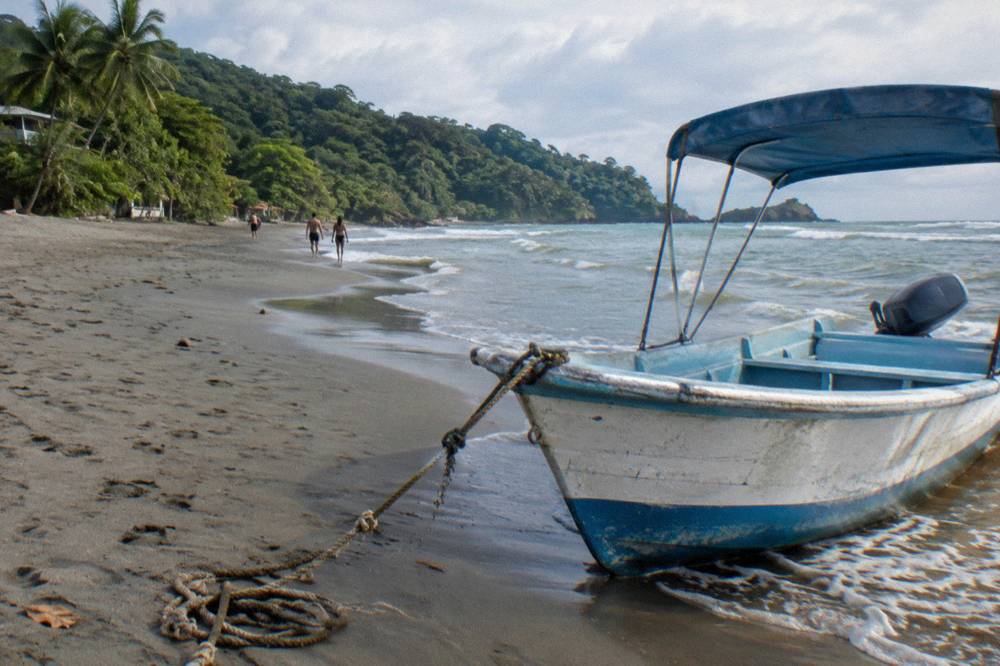
This is the structural reason Uvita wins the whale question. If you stay in Manuel Antonio, your whale trip starts with a drive north, a search for parking near the operator's office, and a check-in that, for one operator, means arriving at its office by 8:30 a.m. Stay in Uvita and that whole layer disappears: you walk or drive five minutes, park where the listing says parking is included, and board. Our guide to Whale Watching Pickup From Dominical, Ojochal And Uvita covers these meeting-point mechanics listing by listing.
The featured listing makes the logistics explicit. Its inclusions cover parking, the Marino Ballena National Park entry fee, lifejackets, a guide, pastries and bananas, juice and coffee, tropical fruit and the boat trip itself, at from $95 per person for up to 80 guests on a shared boat, 3.5 hours. Its exclusions are equally explicit: pickup and drop-off are not included, so you meet at the departure point. That is a very different proposition for someone ten minutes away versus someone forty.
The morning whale and dolphin tour, 4.8 from 210 reviews at from $75 per person, the lowest price listed here, departs from Bahía Ballena with free on-site parking by the main office. Its inclusions list snacks, bottled water, snorkelling equipment use and that parking. One guest review from that listing describes the choice the boat itself made: "We were given the choice of finding more whales or snorkeling at the Whale’s Tail. The boat voted for snorkeling." That kind of flexible morning is what the Uvita base buys you.
What Does Staying In Each Place Do To Your Trip Budget?
On tour prices the two bases are identical, because you book the same boats either way: shared whale tours run from $75 to $129 per person across the listed tours, combos from $84.42, Caño Island snorkel days from $150 to $185, and the private cruise from $1,120 per group. What changes is the hidden layer: transport to Uvita, parking where it is not included, and the value of your time on departure morning.
Note that group sizes, where stated, differ a lot: the featured trip takes up to 80 guests, while two others cap at 20.
| Tour | Highlight | Price | Rating | Duration | Group size |
|---|---|---|---|---|---|
| Drinks and snacks boat trip | Featured listing | from $95 per person | ★ 4.5 · 775 reviews | 3.5 hours | up to 80 guests |
| Morning Whale and Dolphin Tour | Bahía Ballena morning trip | from $75 per person | ★ 4.8 · 210 reviews | 2.5 to 3 hours | Not stated |
| Pacific Expeditions Whale Watch | Park whale watch | from $80 per person | ★ 4.8 · 183 reviews | 3 hours | Not stated |
| Marino Ballena Tours Whale Watch | Up to 20 guests | from $105 per person | ★ 4.5 · 110 reviews | 3 hours | up to 20 guests |
| Ballena Infocenter, 3 to 4 Hours | Longer park trip | from $92 per person | ★ 4.6 · 107 reviews | 3 to 4 hours | up to 20 guests |
| Private Cruise, Meal Included | Private charter | from $1,120 per group | no reviews yet | 3.5 hours | private group |
The budget logic is therefore about the base, not the boat. A Manuel Antonio stay adds a rental car day or shuttle each way on tour morning, and several listings specifically exclude transportation to the meeting point. One Caño Island listing even notes car parking is payable in cash, $9, as an exclusion. A Uvita stay can make a car optional on tour day entirely, since parking is included on many of these listings, from the featured trip to the 3 to 4 hour Ballena Infocenter trip to the Pacific Expeditions watch. The same base logic applies to the whales themselves, and our guide to Whale Watching Uvita Vs Manuel Antonio Vs Drake Bay covers how each town changes the boat ride, the water conditions, and the window when whales are actually around.
Park entry deserves its own line in the budget. Per SINAC, non-resident adults pay USD 6.78 and children USD 5.65 into Marino Ballena, card payment only, ticket valid for the day. In practice, 14 of the 18 shared whale and combo tours listed here include the park entry fee in the ticket price, so for most whale trips the fee is already inside the number you see. You pay it separately only if you walk into the land sectors on your own, for instance to see the Whale Tail sandbar at low tide.
There is one date each year when prices move locally: the whale and dolphin festival. The IWC profile notes that each September the community of Bahía Ballena organizes a festival during which tour prices are reduced and many boat owners who do not normally offer commercial tours join in. The 16th edition ran 4 to 6 September 2026 with concerts, a race, an artisans' fair and special prices for nationals. Festival prices are not published on these listings, so treat it as a timing consideration, not a discount promise.
Which Town Suits Which Kind Of Traveler?
Choose Manuel Antonio if you want a bigger resort scene, a well known national park with its own wildlife, more restaurant and hotel density, and whale watching as one excursion among several. Choose Uvita if the whales are the point: you sleep minutes from the launch beach, you can add the Whale Tail, snorkel combos or a Caño Island day without relocating, and the town's simpler infrastructure is the trade you make.
This is where honesty matters most, because both towns genuinely work. Manuel Antonio is the more established resort destination, and that brings choice, nightlife and services. Anyone telling you it is objectively worse than Uvita is selling something. What is objectively true is the departure fact from the section above: the whales' departure zone is Uvita and Bahía Ballena.
For families, the deciding details are on the listings. Minimum ages are not stated in the listings. Group size is stated on a few: up to 80 guests on the featured trip, up to 20 on two others, up to 15 on one Caño picnic-lunch trip. A family that wants a smaller boat should weigh the 20-guest Marino Ballena Tours trip, 4.5 from 110 reviews at from $105 per person, against the bigger shared boats. A review from that very listing, from a guest named Tessa, describes a guide who "told us a lot about the whales" and a trip that found "a mother whale and her calf, and at another spot, we also saw a bull with some dolphins." Our guide to Whale Watching With Kids In Uvita: Ages, Safety And Timing works through these family trade-offs.
For snorkelers the choice tilts further toward Uvita, because the snorkel products cluster there too. The 3-hour whale and snorkel combos, from $84.42 per person with a 4.3 rating from 136 reviews on the main combo, pair whale watching with a snorkel stop in the park. The Caño Island days, 6 to 8 hours, from $150 to $185 per person with lunch included across the listed tours, run from Uvita as well, about a 50 to 80 minute boat ride out according to one local operator. SINAC's page for the Caño Island Biological Reserve states the reserve is open 8 a.m. to 3 p.m., requires prior reservation, and permits only the marine part, no landing. These are full-day commitments that only make sense from a base near the departure beach.
For couples or groups wanting privacy, the private options also leave from Uvita: a private whales and dolphins charter from $95 per person where the listing says price varies by group size, confirm on the booking page, and a private 3.5-hour cruise from $1,120 per group with lunch, tropical drinks, snorkeling and the park fee included, though it has no reviews yet. Privacy, like everything else here, is a Uvita-departure product.
What About The Whale Seasons And Timing From Each Base?
Both towns sit under the same whale calendar: southern-hemisphere humpbacks visit roughly July to mid-November, peaking August to September for mother-calf pairs, and northern-hemisphere humpbacks December to March or April, peaking January to February. The seasons are identical from either base; the difference is only how early you get to the boat.
The dual-hemisphere pattern is what makes this stretch of coast unusual. The IWC handbook records that Costa Rica's Pacific waters host two separate humpback populations each year, and as many as 34 species of whales and dolphins have been reported in the country's waters overall. SINAC's park page names humpback whales, spotted dolphins and bottlenose dolphins among the park's fauna alongside manta rays, hammerhead sharks and parrotfish.
One operator's own listing states a sighting chance of 50 percent December to March and 90 percent July to October. That is one operator's statement on one listing, not a rate for the coast. What can be said firmly is that no operator promises a sighting, boats cancel or reroute for weather and sea state, and the mother-calf peak of August and September is the window the local festival is built around. The month-by-month breakdown lives in the guide to the best time for whale watching in Uvita.
Timing interacts with your base in one concrete way: tides. Access to the Whale Tail sandbar is only at low tide, per SINAC, which states entry happens solely during the low tide window and advises consulting tide tables. Several whale boats launch from that same beach. A Uvita base lets you stack a low-tide walk on the tail with a boat trip on the same day without a second drive. From Manuel Antonio, that stacking becomes a puzzle of tide tables and traffic.
The 3 to 4 hour Ballena Infocenter trip, 4.6 from 107 reviews at from $92 per person, is a good example of a season-aware product: its inclusions list swimming or snorkeling only during the dry season, the end of December through April, a visit to Whale's Rock or Ventanas Cave, a coffee station before departure and tropical fruits and water. A guest review from that listing, from Rosemarie, describes observing "a mother and baby humpback whale for at least 20 minutes" plus sea turtles and a swim. Reviews are individual experiences, not promises, but they show the shape of the day.
Does The Choice Affect Responsible Whale Watching?
No, and this is one point of true equality: every licensed boat operating from Uvita works under the same national rules, Decreto Ejecutivo 32495, whichever town you sleep in. Boats must keep at least 100 m from whales over 5 m, 50 m from dolphins with the engine on and 30 m with it off, at most two boats may observe one group, observation is capped at 30 minutes, and swimming near cetaceans is prohibited.
The decree also sets a maximum of 4 knots in observation areas, requires approaches from behind at an angle parallel to the animals, and forbids touching, feeding or coming between a mother and calf. None of this depends on where the guest's hotel is.
Why does this matter for the Manuel Antonio versus Uvita question? Because one thing you can do from a Uvita base, and cannot easily do from elsewhere, is spend a non-boating day at the park's land sectors and see the conservation context firsthand. SINAC's rules for the park ban single-use plastic, littering, pets, touching or feeding animals and vehicles on the beach. The official SINAC page for Marino Ballena National Park carries the current hours for all four sectors, Uvita 7 a.m. to 5 p.m., Colonia 7 a.m. to 6 p.m., Ballena and Pinuela 8 a.m. to 4 p.m., all open every day of the year.
Is One Night In Each The Smarter Plan?
Often, yes: a split stay solves the dilemma outright. The drive between the two is short enough, roughly 30 to 49 minutes by one route listing, that two or three nights in Manuel Antonio followed by two or three in Uvita gives you the park-and-beach scene and then puts you on the departure beach for whale morning, the Whale Tail at low tide and, if you want it, a full Caño Island day.
The split plan has one rule: put the Uvita nights around your boat day, not before it. Book the boat for the second Uvita morning, so a cancellation for sea state still leaves you a fallback day. Free cancellation is listed on nearly every tour listed here, which makes shifting a day low-drama, but availability on a specific boat is another matter, so a buffer day is cheap insurance.
Think in half-day blocks when planning either base. The whale trips are 2.5 to 4 hours, combos 3 hours, Caño days 6 to 8 hours with lunch. A Manuel Antonio base essentially burns the morning of boat day on the road, which is fine once. A Uvita base leaves the same morning free for a low-tide walk on the Whale Tail before or after the boat, or a rest, or the waterfall. This site's guide to pairing a waterfall visit with a whale trip covers that stacked day in detail.
One more honest word about expectations, whichever base wins. The lowest price listed here is the morning whale and dolphin tour at from $75 per person, 4.8 from 210 reviews, and the most reviewed is the featured drinks and snacks trip at from $95, 4.5 from 775 reviews. Price does not track experience neatly here: the $75 morning trip out-rates the $95 one on stars, on a smaller pool. What the higher prices mostly buy is different inclusions, park fees, food, coffee stations, group size, not better whales. The whales are the same whales from whichever bed you rose.
Common Questions About Manuel Antonio Or Uvita
Is It Better To Stay In Manuel Antonio Or Uvita?
For a whale watching trip, Uvita: every boat listed here departs from Uvita or Bahía Ballena, and staying there removes a 30 to 49 minute drive on departure morning. Manuel Antonio is the better base if its own park, beaches and larger tourism scene are your priority and whales are one excursion among several.
How Far Is The Drive Between Manuel Antonio And Uvita?
Quepos, the town beside Manuel Antonio, to Uvita is listed at roughly 40 to 62 km depending on the source, about 30 to 49 minutes via Highway 34. Sources vary in age and method, so treat these as planning ranges and check conditions on the day.
Do Any Whale Watching Boats Leave From Manuel Antonio?
None of the tours listed here. All the whale and dolphin tours listed here, 15 shared whale trips, three combos and two private charters, depart from Uvita or Bahía Ballena at Marino Ballena National Park.
Is The Park Entry Fee Included In The Tour Price?
On most whale tours, yes: 14 of the 18 shared whale and combo listings include the Marino Ballena National Park entry fee. You pay SINAC's fee separately, USD 6.78 for non-resident adults and USD 5.65 for children, card only, only when entering the land sectors on your own.
Which Month Is Best If I Can Only Pick One?
August and September for the southern-hemisphere mother-calf peak, or January and February for the northern-hemisphere peak. February and March are the lowest-rainfall months on long-term averages. Whale watching is possible in both windows from either town.
Can I Do A Day Trip To Caño Island From Manuel Antonio?
It is a long day: Caño Island boats leave from Uvita, the ride out takes about 50 to 80 minutes according to one local operator, and the full tours run 6 to 8 hours, from $150 to $185 per person with lunch. It is doable, but it is the kind of day that argues for sleeping in Uvita the night before.